Ingredients
Sudachi vs. Kabosu: Two Japanese Citrus Fruits Worth Discovering
Both are green, both are squeezed over food, and both are often mistaken for limes. A guide to telling these two seasonal citrus apart — and using each well.
Sharp. Fresh. Vibrant.
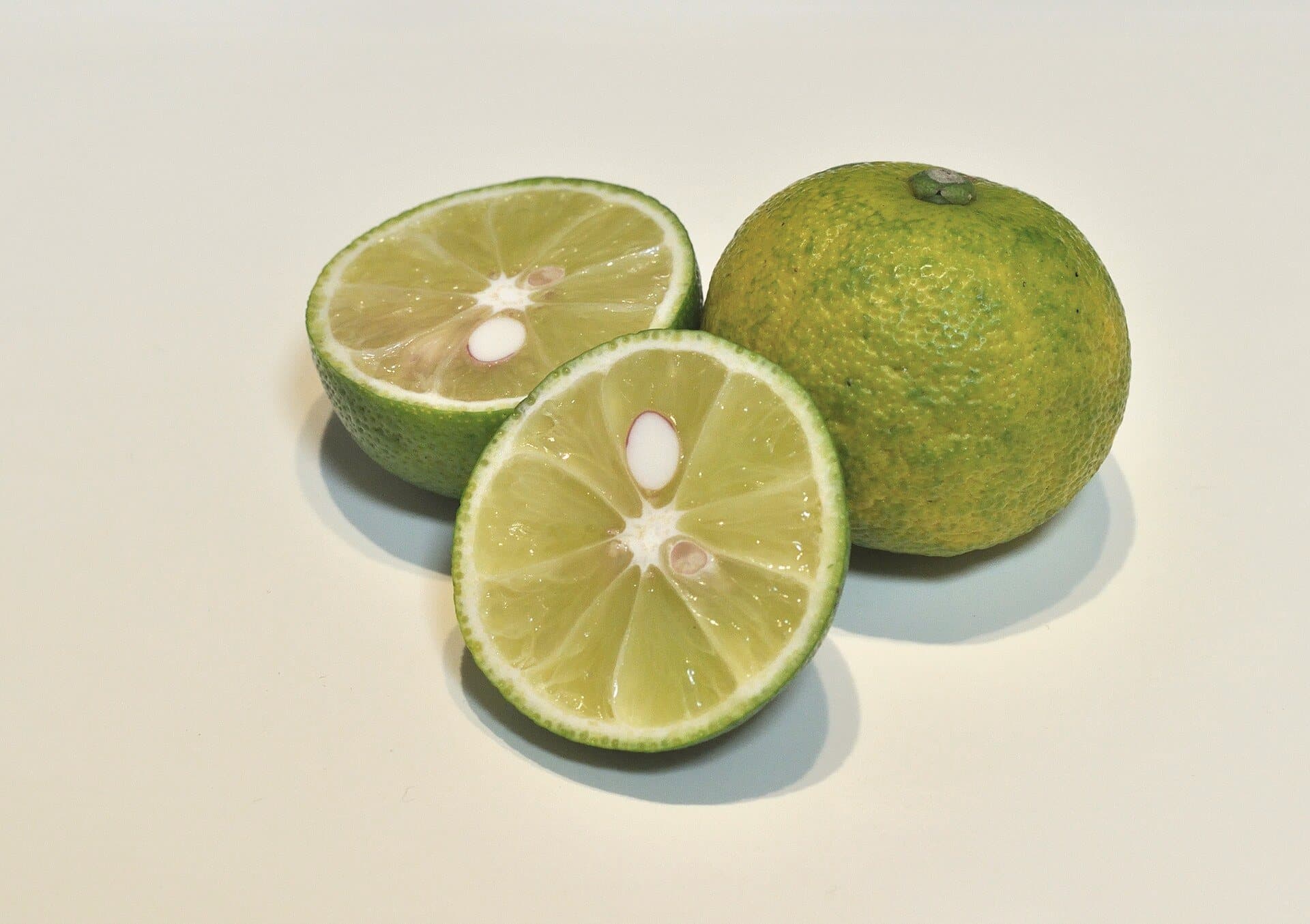
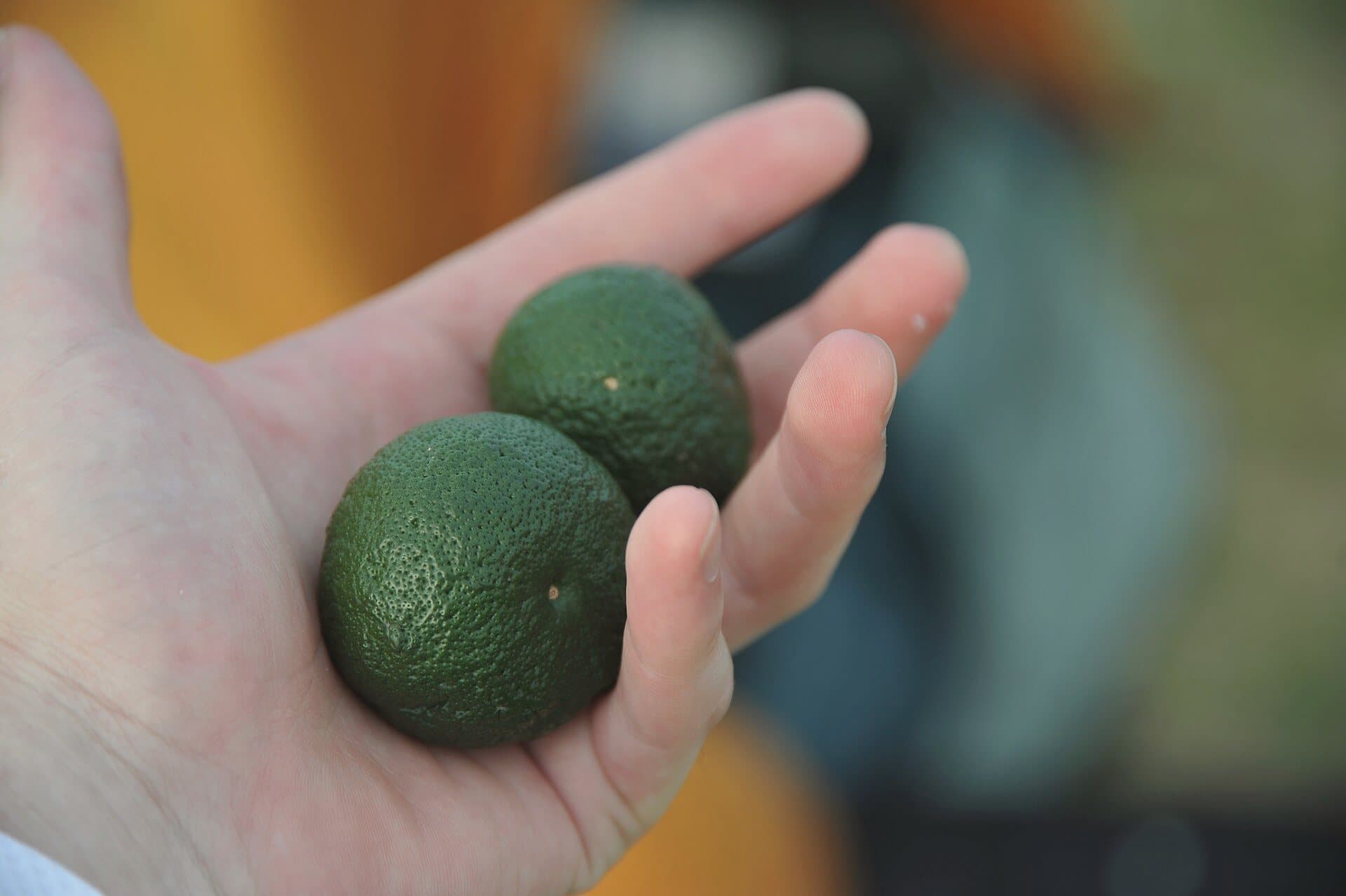
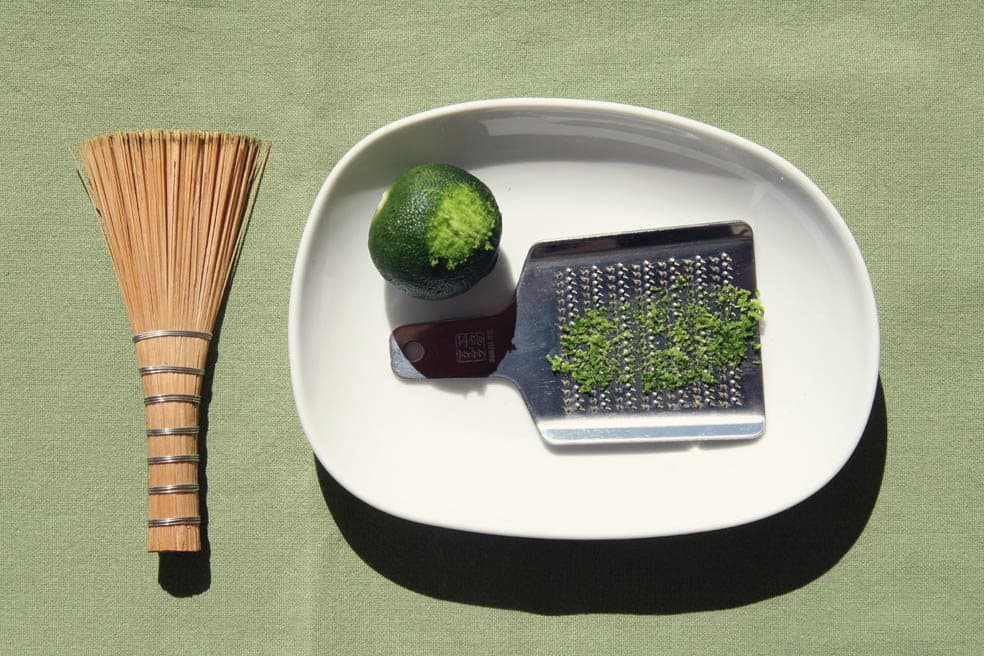
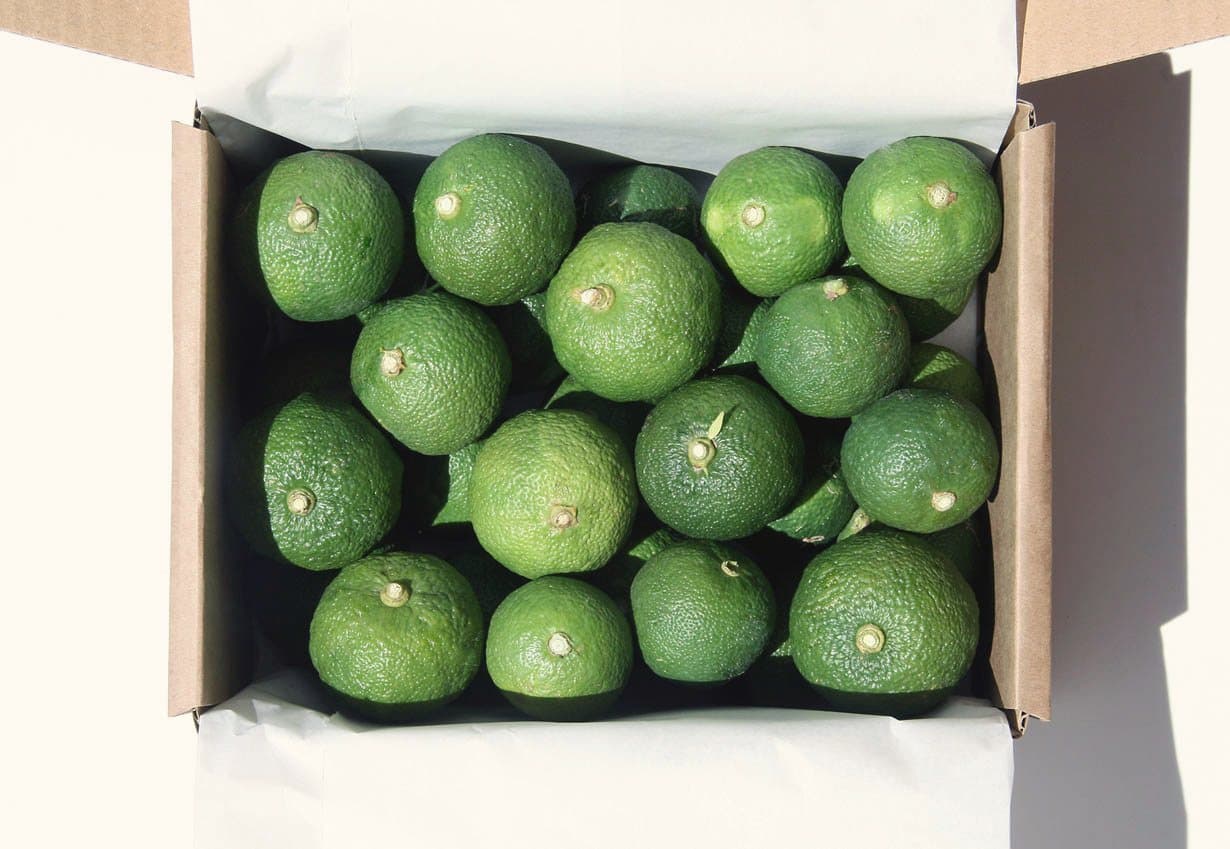
Small, round and picked while still deep green, sudachi is the seasoning of the Japanese autumn — squeezed over grilled fish, mushrooms and cold noodles at the very last moment.
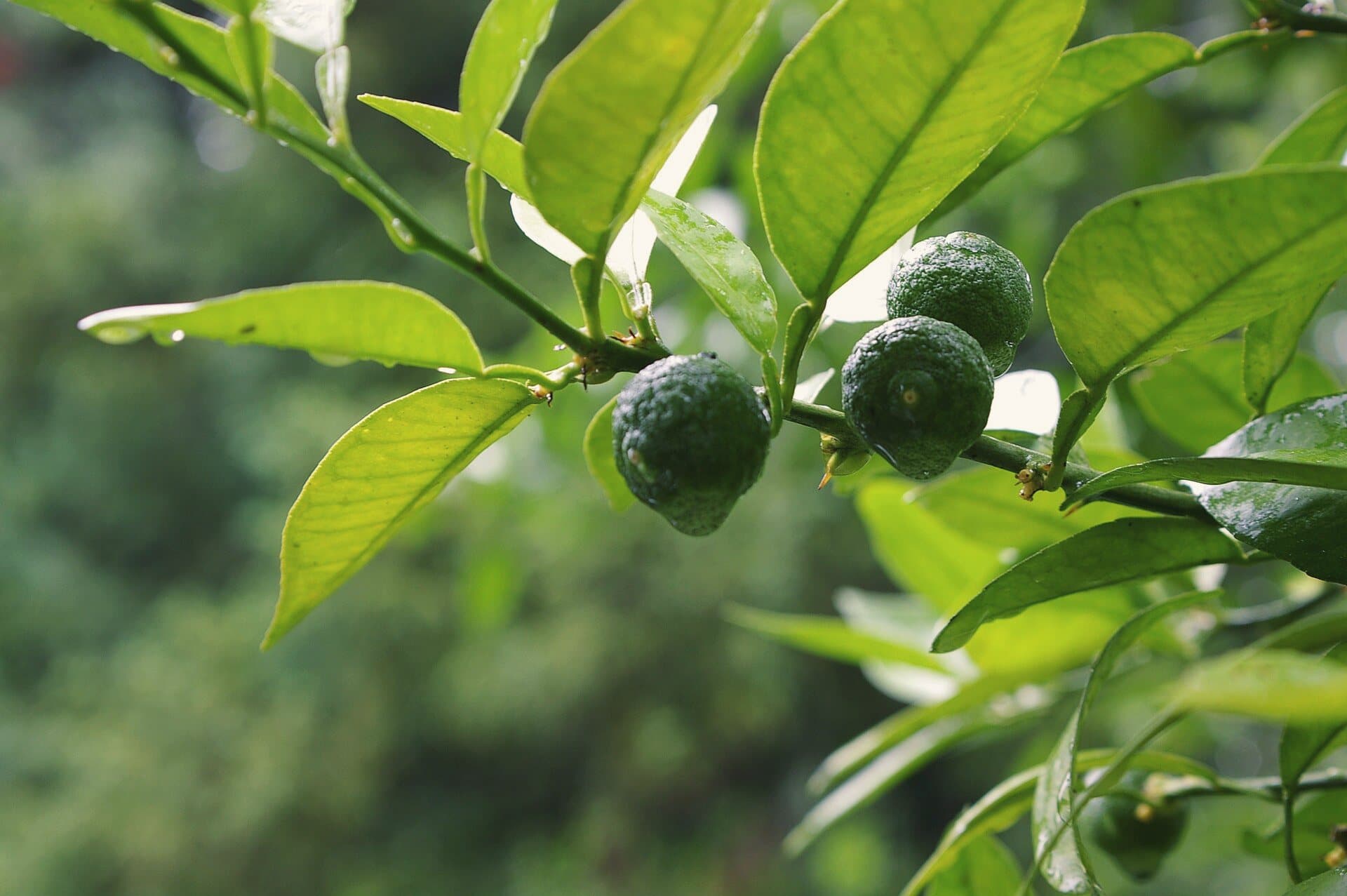
Photo: Nagarazoku from TOKYO, Japan · CC BY-SA 2.0
Flavor Profile
Very sour and clean, closer to lime than lemon, with a fresh green, slightly herbal perfume. The peel is fragrant and thin.
Editorial tasting profile on a five-step scale — a qualitative guide, not laboratory data. Flavor varies with ripeness, harvest time and growing conditions.
Photo: Ocdp · CC0
Origin & Heritage
Sudachi is closely associated with Tokushima Prefecture on Shikoku, which grows the great majority of Japan's crop. The fruit's white blossom is the prefecture's official flower.
It is a close relative of yuzu, but it is harvested young, while the skin is still green, when acidity and fragrance are at their sharpest. Left on the tree it will slowly turn yellow and mellow.
In Tokushima, sudachi is less an ingredient than a habit: halved and set beside almost anything — grilled fish, soba, miso soup — so each person can season to taste.
Culinary Uses
Halve across the middle and squeeze over food just before eating. Classic partners are salt-grilled Pacific saury, matsutake mushrooms and tempura.
Paper-thin rounds float on chilled soba or udon, and add a bright green note to sashimi platters.
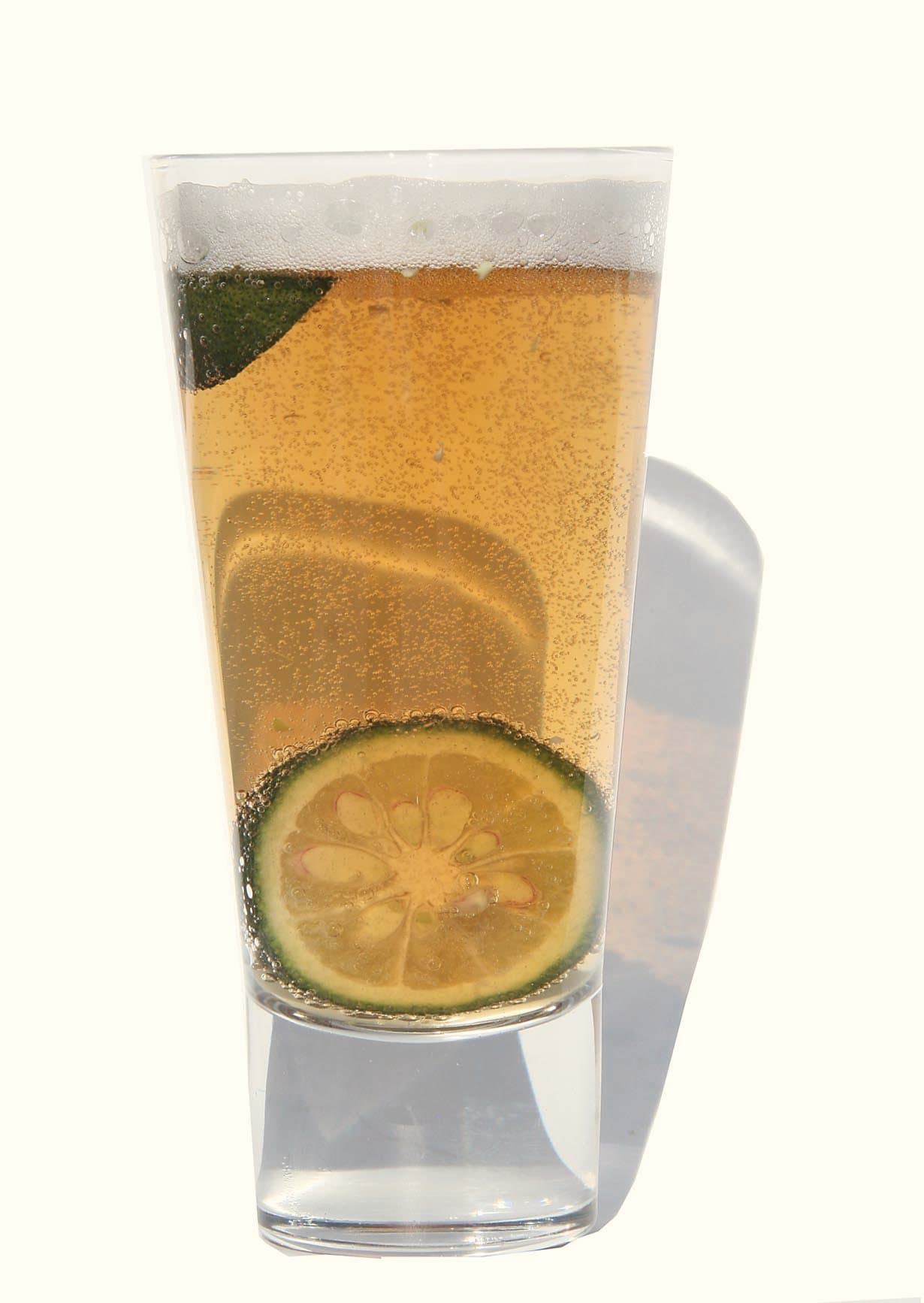
A wedge of sudachi in a highball, beer or sparkling water gives a crisp, lime-like edge with a more delicate perfume.
Best Pairings
Both are green, both are squeezed over food, and both are often mistaken for limes. A guide to telling these two seasonal citrus apart — and using each well.
Japanese citrus is mostly grown by small family farms, often on steep and difficult ground. An introduction to the work that brings these fruits from tree to table.
Sudachi, kabosu, yuzu and shikuwasa offer bartenders a broader vocabulary of acidity than lemon and lime alone. A practical primer for drinks with and without alcohol.
A sharp, savory dressing for crisp greens, chilled tofu or grilled fish, built on sudachi juice, soy sauce and toasted sesame.
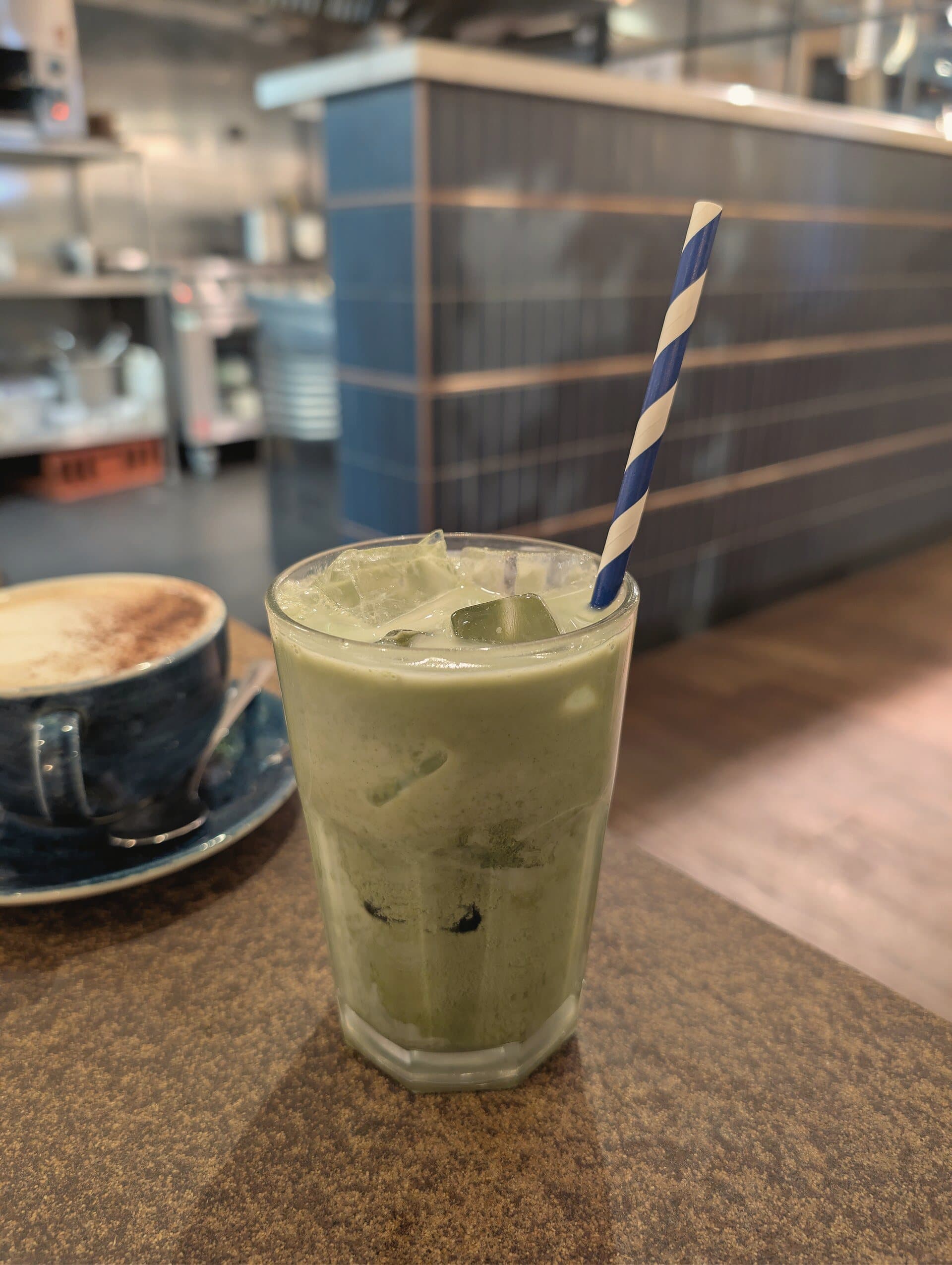
Three Japanese citrus fruits, layered with green tea and ginger — an alcohol-free drink with real depth.
Fragrant yuzu, crisp tonic and plenty of ice — a bright, bittersweet long drink that works with or without gin.
The Newsletter
Discover Japanese citrus, seasonal recipes, and stories from the people behind the fruits.