Sudachi vs. Kabosu: Two Japanese Citrus Fruits Worth Discovering
Both are green, both are squeezed over food, and both are often mistaken for limes. A guide to telling these two seasonal citrus apart — and using each well.
By JAPAN CITRUS Editorial ·
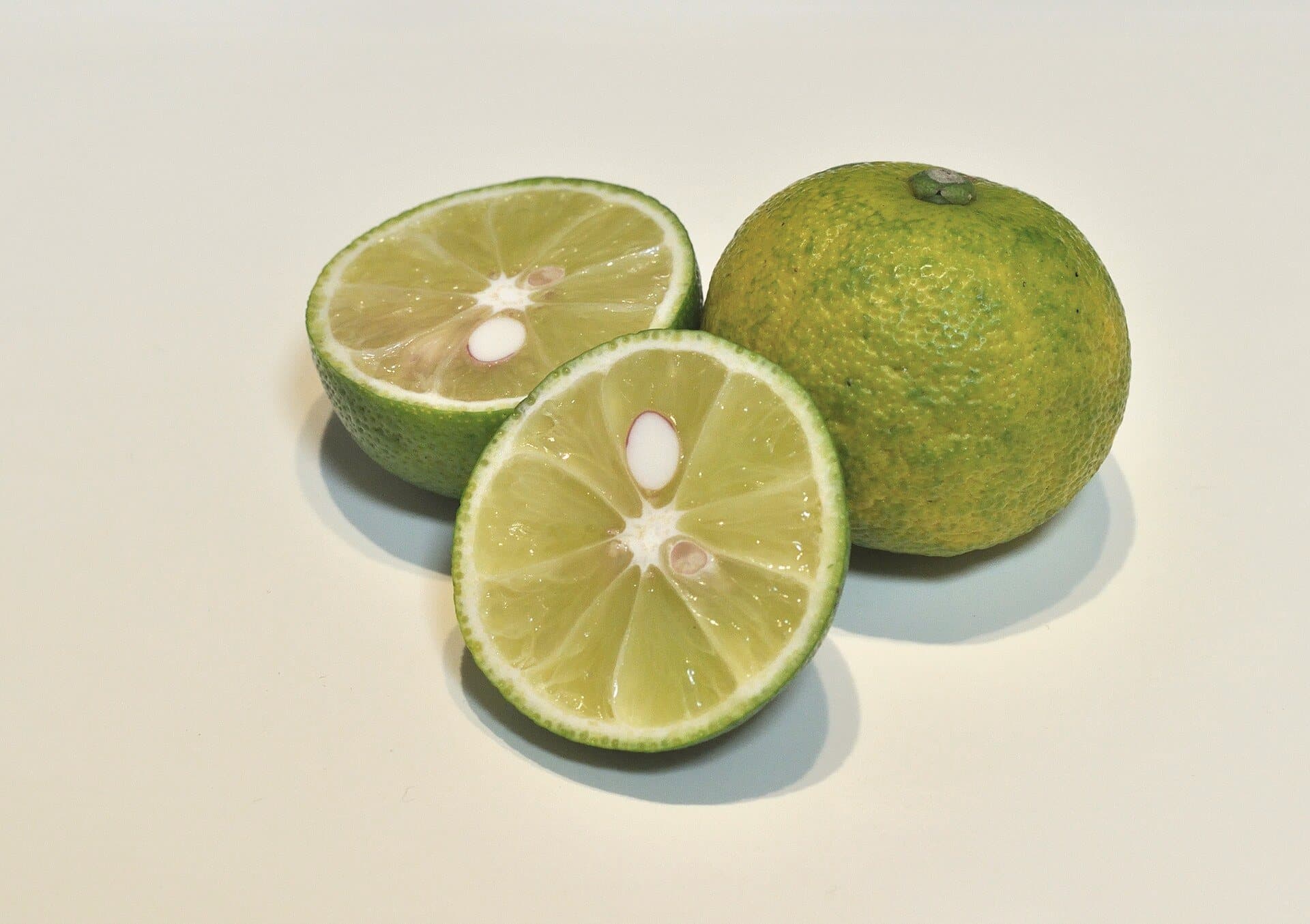
Sudachi halved to show pale green flesh, beside a whole fruit. Photo: Ocdp · CC0
Walk through a Japanese market in late summer and you will see small piles of glossy green citrus beside the fish and mushrooms. To an outsider they look like limes. Look closer and you may be seeing two different fruits: sudachi from Tokushima, and kabosu from Ōita.
They are related, they are both used as seasonings, and they share a season. But they are not interchangeable — and learning the difference is one of the small pleasures of Japanese cooking.
Size is the first clue
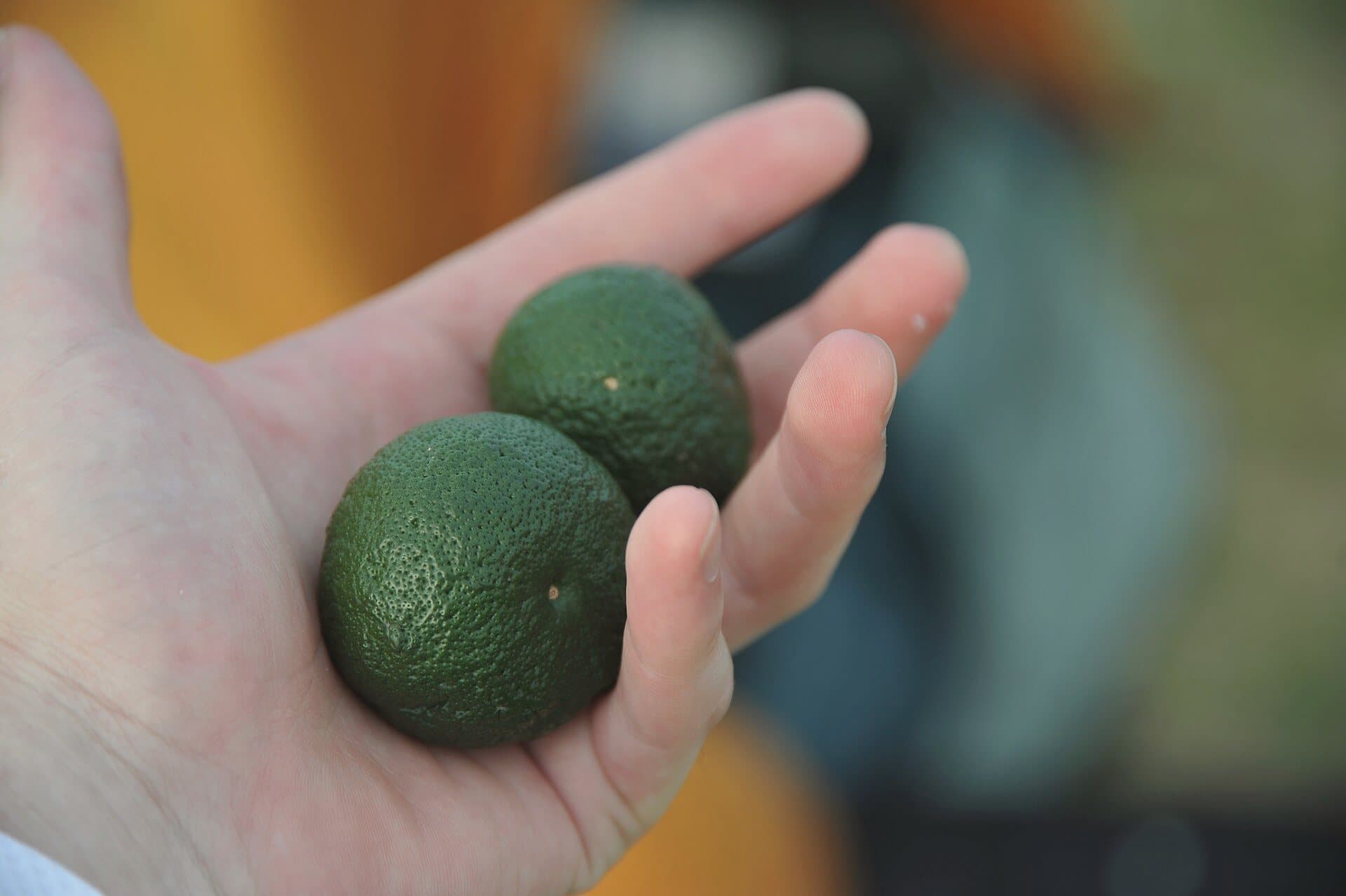
The easiest way to tell them apart is size. Sudachi is small — roughly the size of a golf ball — and fits easily in the palm. Kabosu is noticeably larger, closer to a tennis ball, with a slightly thicker skin.
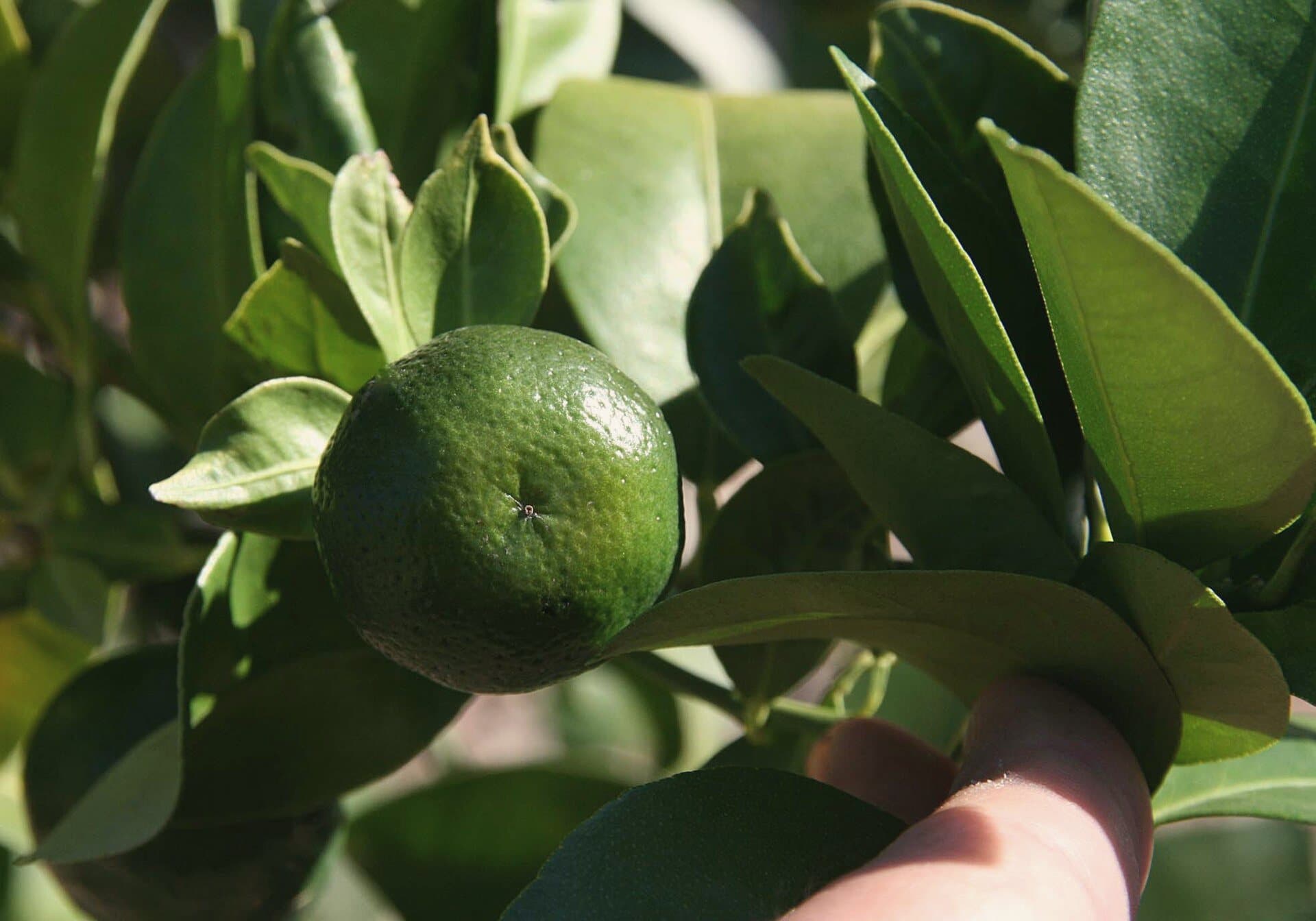
Both are sold green, when their acidity and fragrance are at their best. Left on the tree, both will gradually turn yellow and lose some of their sharpness.
Two different kinds of sour
Sudachi is sharp and precise. Its acidity is bracing, closer to lime than lemon, and its aroma is fresh, green and slightly herbal. It is used in small amounts — half a fruit squeezed over a single serving.
Kabosu is rounder and more generous. It has more juice, a softer acidity and a gentle, clean fragrance. Because it is milder, it is often used in larger quantities, or where you want a dish to taste refreshed rather than distinctly sour.
At a glance
- Sudachi: small, very sour, herbal and green, from Tokushima.
- Kabosu: larger, juicier, mellow and balanced, from Ōita.
How each is used
In Tokushima, sudachi is the classic partner for salt-grilled fish, matsutake mushrooms and chilled soba. It is often served halved on the side, so each diner can season their own plate.
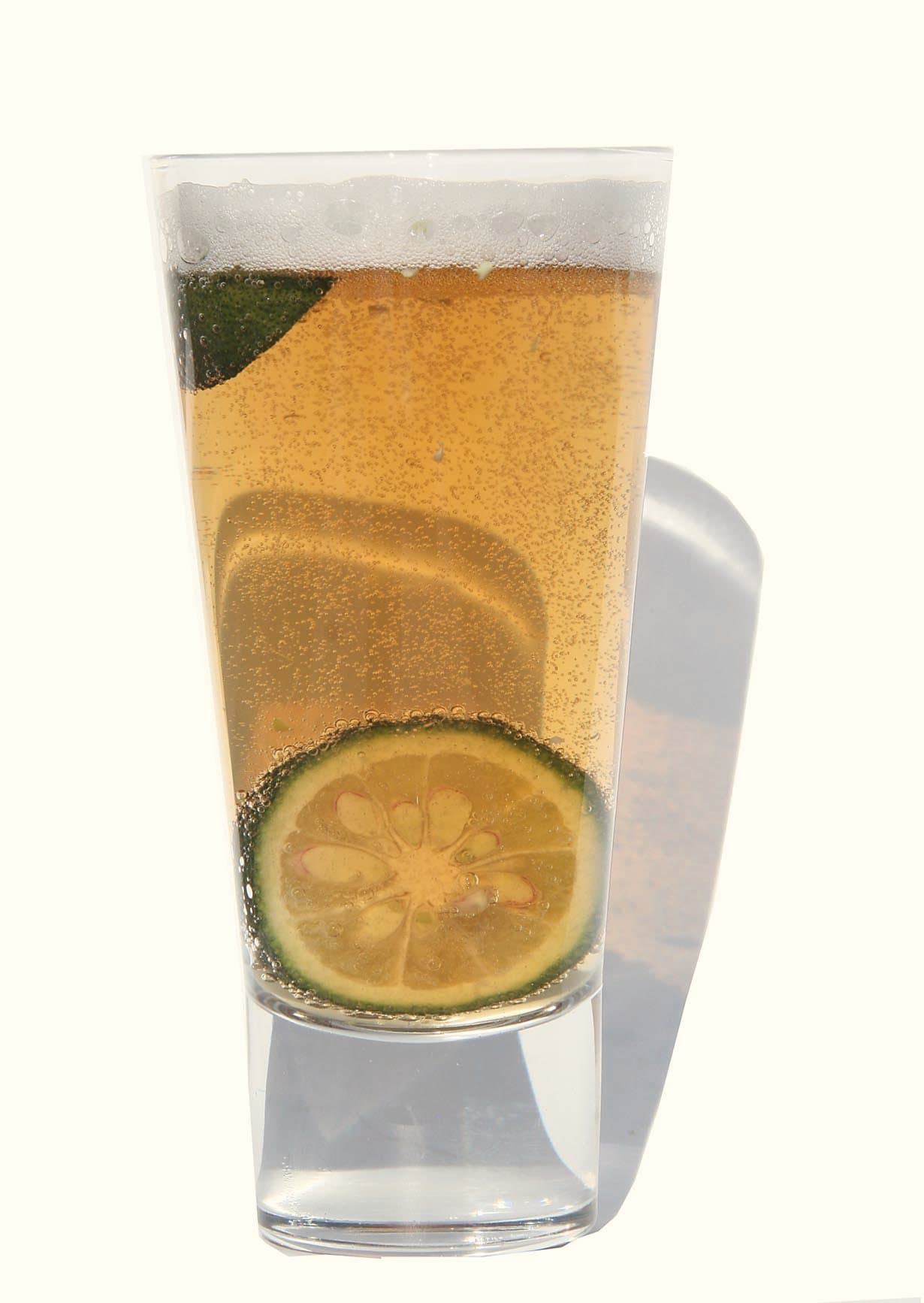
In Ōita, kabosu is squeezed over sashimi, hot pot and fried chicken, and stirred into drinks with honey and soda. Its larger size and gentler flavor make it well suited to dressings and marinades.
Can you substitute one for the other?
In a pinch, yes — but adjust. If you replace sudachi with kabosu, you may need a little more juice and you will lose some of the herbal sharpness. If you replace kabosu with sudachi, use less, and expect a more pointed, aromatic result.
Outside Japan, where neither may be available fresh, a mix of lime and a little grated lemon or yuzu zest can suggest their character. It will not be the same — and that is exactly why both fruits are worth seeking out.
Written by the JAPAN CITRUS editorial team as general background. Seasonal timings and regional details are approximate and can vary by year and grower.