Green Citrus Behind the Bar
Sudachi, kabosu, yuzu and shikuwasa offer bartenders a broader vocabulary of acidity than lemon and lime alone. A practical primer for drinks with and without alcohol.
By JAPAN CITRUS Editorial ·
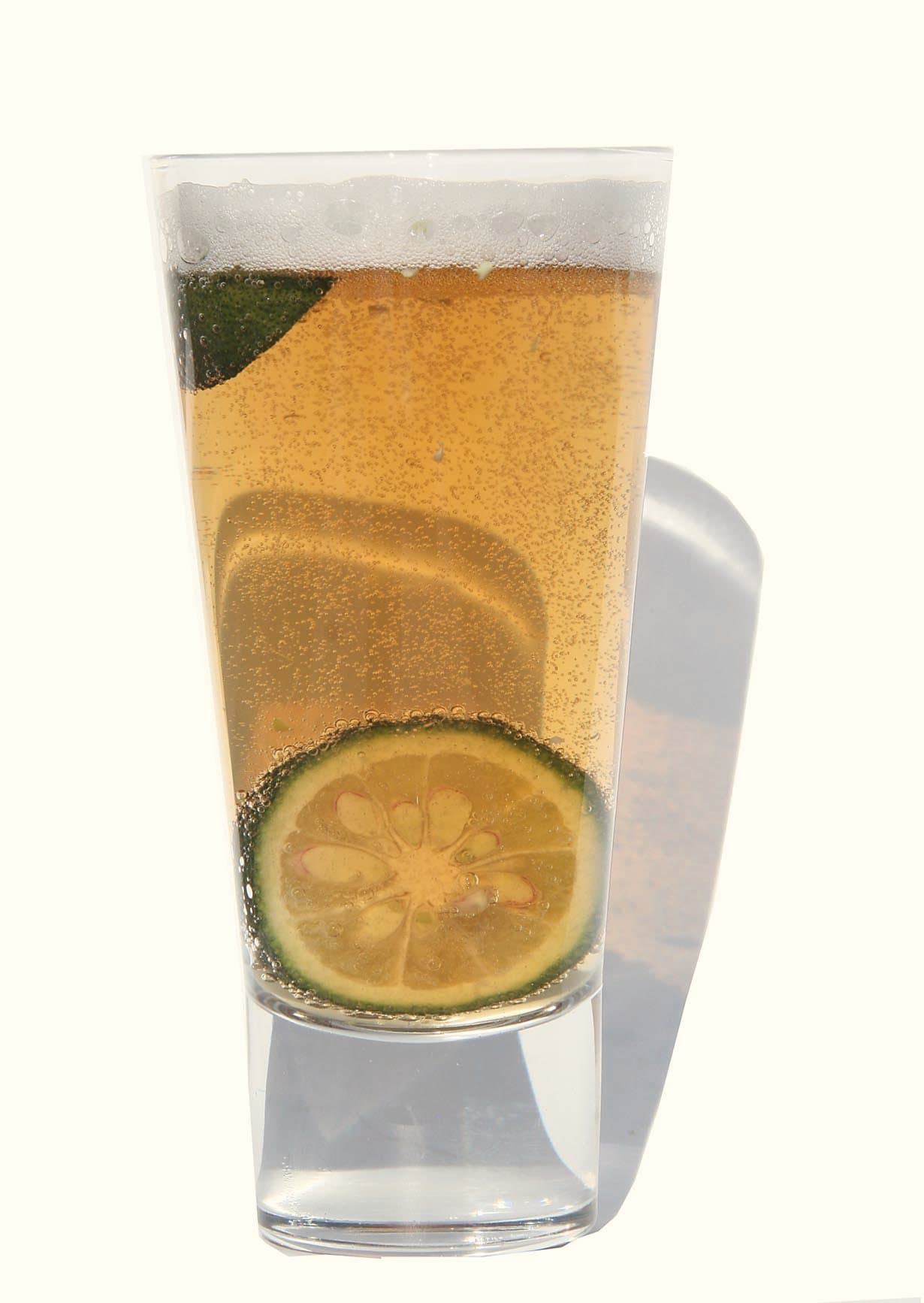
A glass of beer with a round slice of sudachi floating inside. Photo: Jpbrigand · CC0
Lemon and lime are the workhorses of the modern bar. They are reliable, consistent and available almost everywhere. But for bartenders looking for new aromatic dimensions, Japanese citrus offers something different: acidity with a distinct perfume.
The highball tradition
In Japan, citrus and carbonation have a long partnership. A wedge of sudachi or kabosu squeezed into a highball or a glass of shochu and soda is an everyday pleasure, especially in late summer when the fruits are in season.
The principle translates easily: good ice, a well-chilled glass, a spirit or base, cold soda — and a fresh squeeze of fragrant citrus at the end.
A field guide for the bar
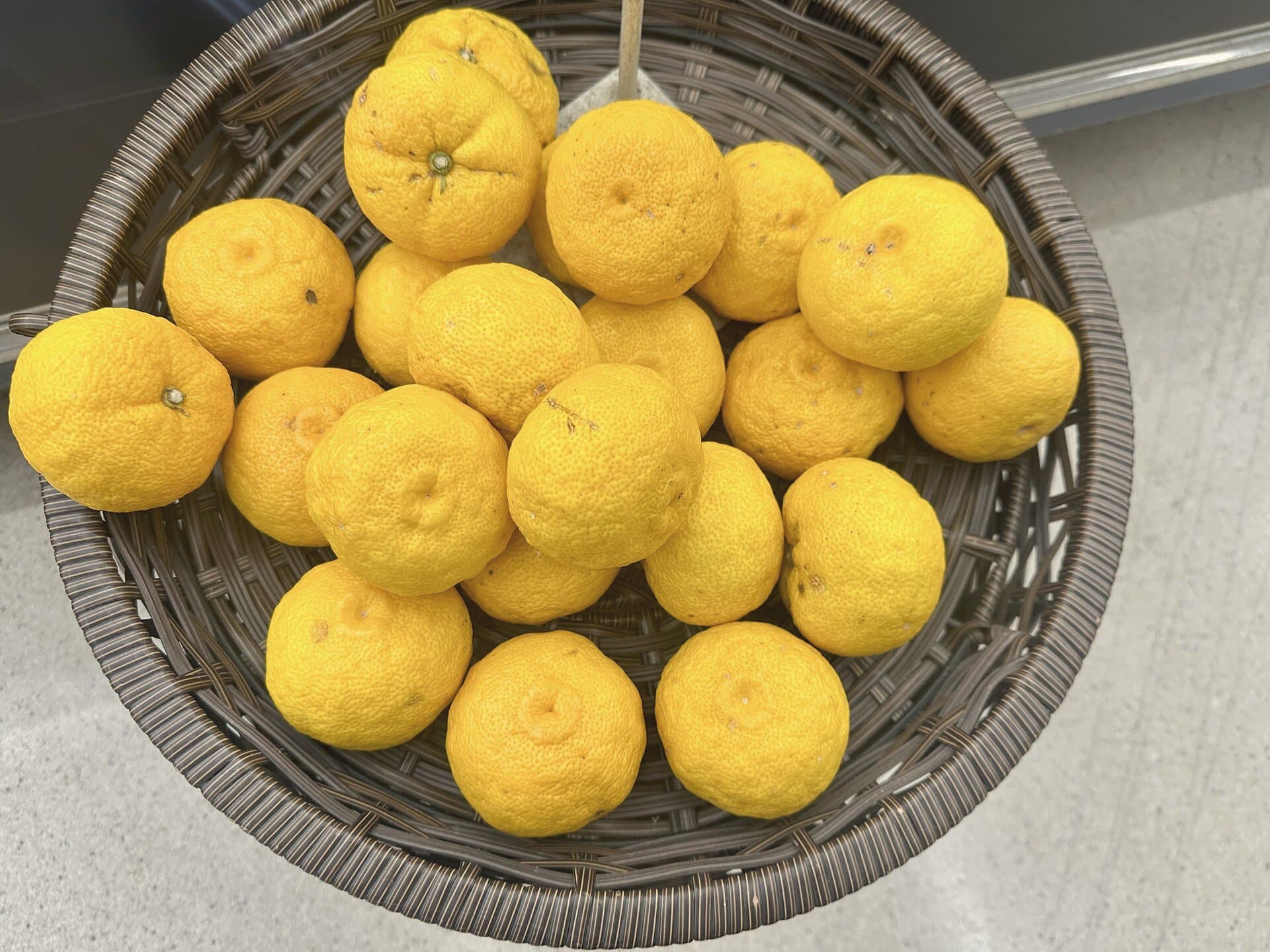
- Yuzu: The most aromatic. The peel is as valuable as the juice. Pairs well with gin, sake, whisky and honey.
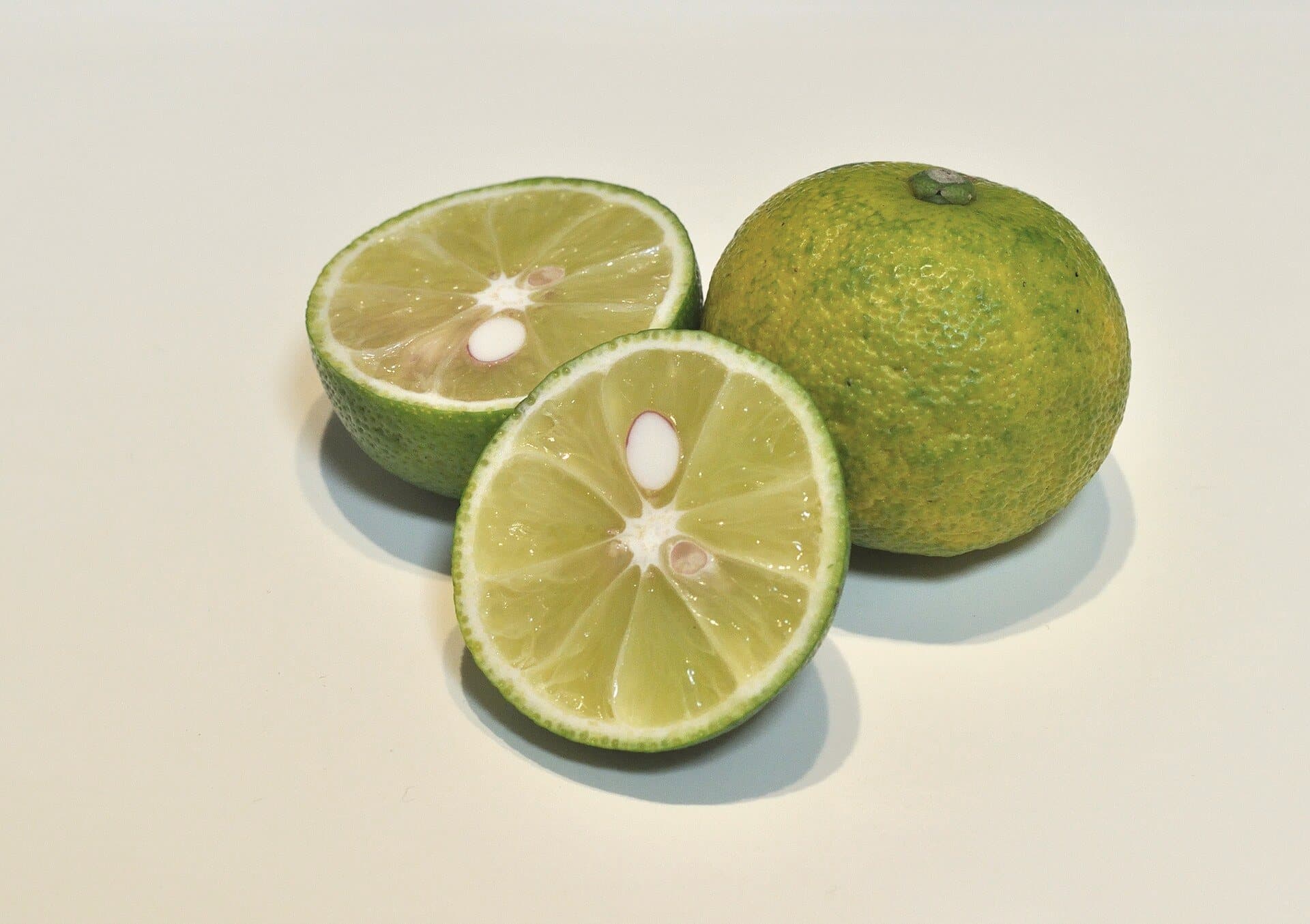
- Sudachi: Sharp and green. Excellent in highballs and with clear spirits; a natural garnish for beer.
- Kabosu: Mellow and juicy. Good for longer, softer drinks and honey-based sodas.
- Shikuwasa: Tangy with a pleasant bitterness. A classic partner for awamori in Okinawa, and lively in tropical-leaning drinks.
Without alcohol
Japanese citrus is especially valuable in alcohol-free drinks. Where a mocktail can taste flat without the structure of a spirit, the aroma of yuzu or the bitterness of shikuwasa adds complexity. Tonic, green tea, jasmine tea and ginger all make good companions.
Practical notes
Fresh fruit is ideal but not always available outside Japan. Bottled juices vary: some are pure, some are blended and some contain salt — always check labels and taste before building a drink. Fresh zest or a twist of peel, when available, adds aroma that juice alone cannot.
The best Japanese-citrus drinks tend to be simple. Let the fruit speak, keep everything cold and resist the urge to add too much.
See our recipes for a few places to start.
Written by the JAPAN CITRUS editorial team as general background. Seasonal timings and regional details are approximate and can vary by year and grower.