Why Yuzu Is Captivating the World's Kitchens
A knobbly, seed-filled fruit with very little juice has become one of the most talked-about flavors in modern cooking. Here is what makes yuzu so compelling.
By JAPAN CITRUS Editorial ·
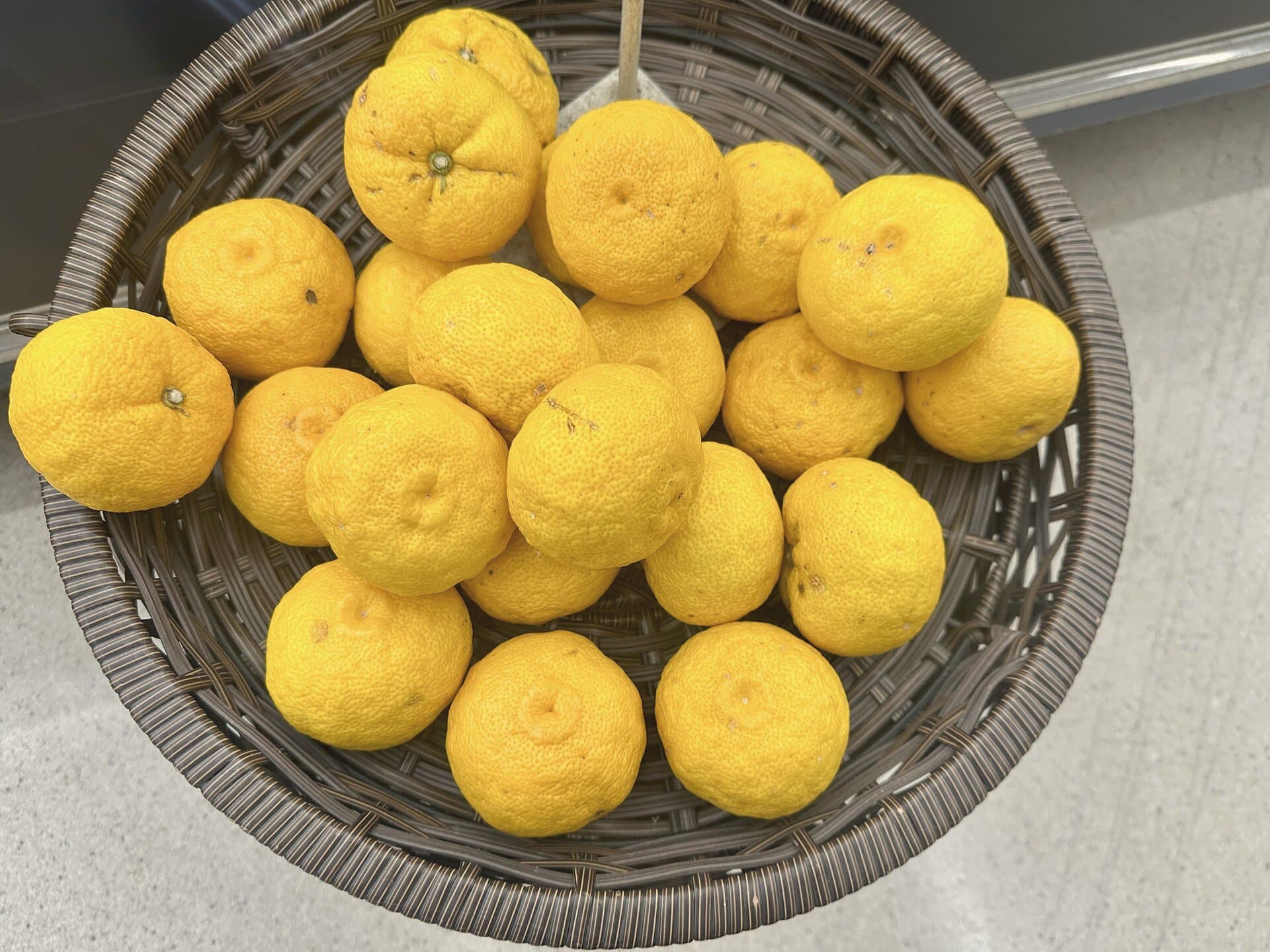
A woven basket piled high with bright yellow yuzu. Photo: Nesnad · CC BY 4.0
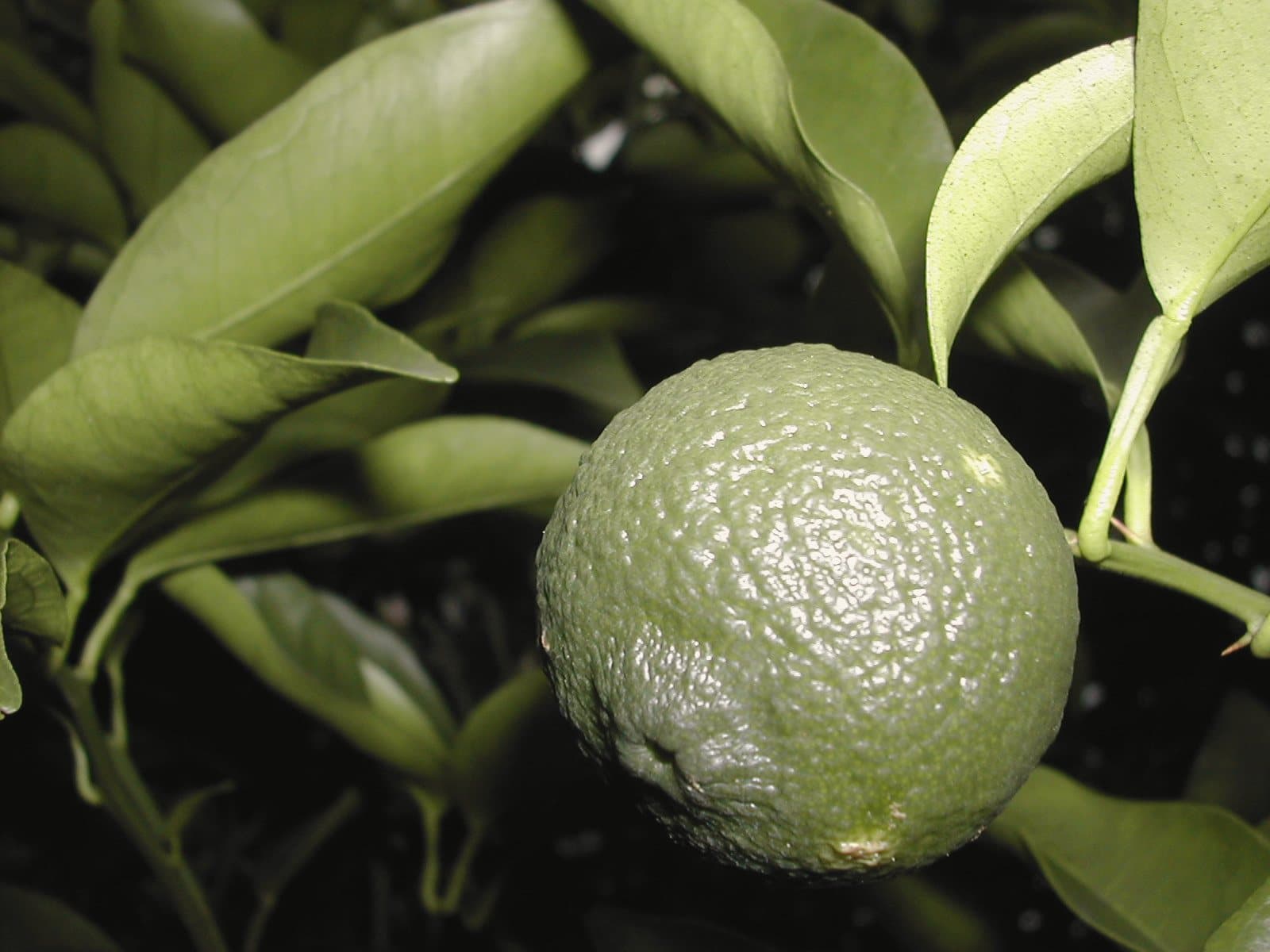
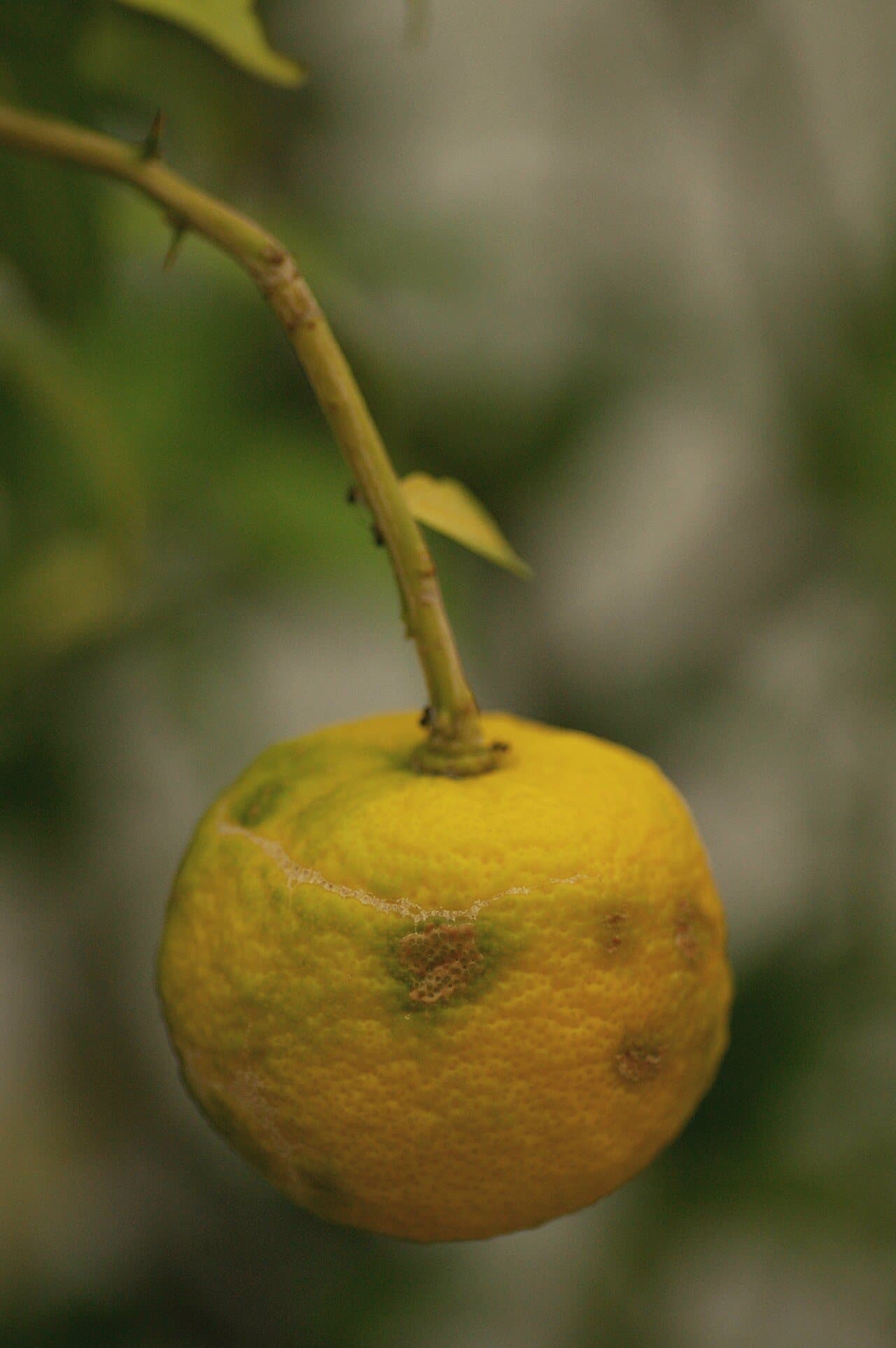
At first glance, yuzu is not an obvious star. It is lumpy, irregular and often smaller than a tennis ball. Cut one open and you find a cluster of large seeds, a thick layer of pith and surprisingly little juice. And yet, for many cooks and bartenders, it has become one of the most exciting ingredients to come out of Japan.
The reason is simple: smell it.
A fragrance before a flavor
Most citrus are valued first for their juice. Yuzu is valued first for its perfume. The peel releases an aroma that people struggle to pin down — part mandarin, part grapefruit, with something floral running underneath. In Japanese cooking it is often used precisely this way: a few fine shavings of peel dropped into a clear soup, a twist floated on a simmered dish, a scattering of zest over a sweet.
That aromatic intensity is what makes yuzu so useful beyond Japan. A small amount changes the character of a dish without making it sour. It can sit alongside butter, cream, chocolate or soy sauce and still be recognizable.
How cooks use it
Yuzu has become a familiar word on restaurant menus in many parts of the world, appearing in places that have little to do with traditional Japanese food:
- Dressings and sauces. Yuzu juice brings a fragrant acidity to vinaigrettes and to ponzu-style sauces built on soy and dashi.
- Pastry. Curds, tarts, glazes and ice creams take on a bright, floral note that lemon alone cannot give.
- Seafood. Raw and lightly cooked fish, shellfish and scallops are natural partners.
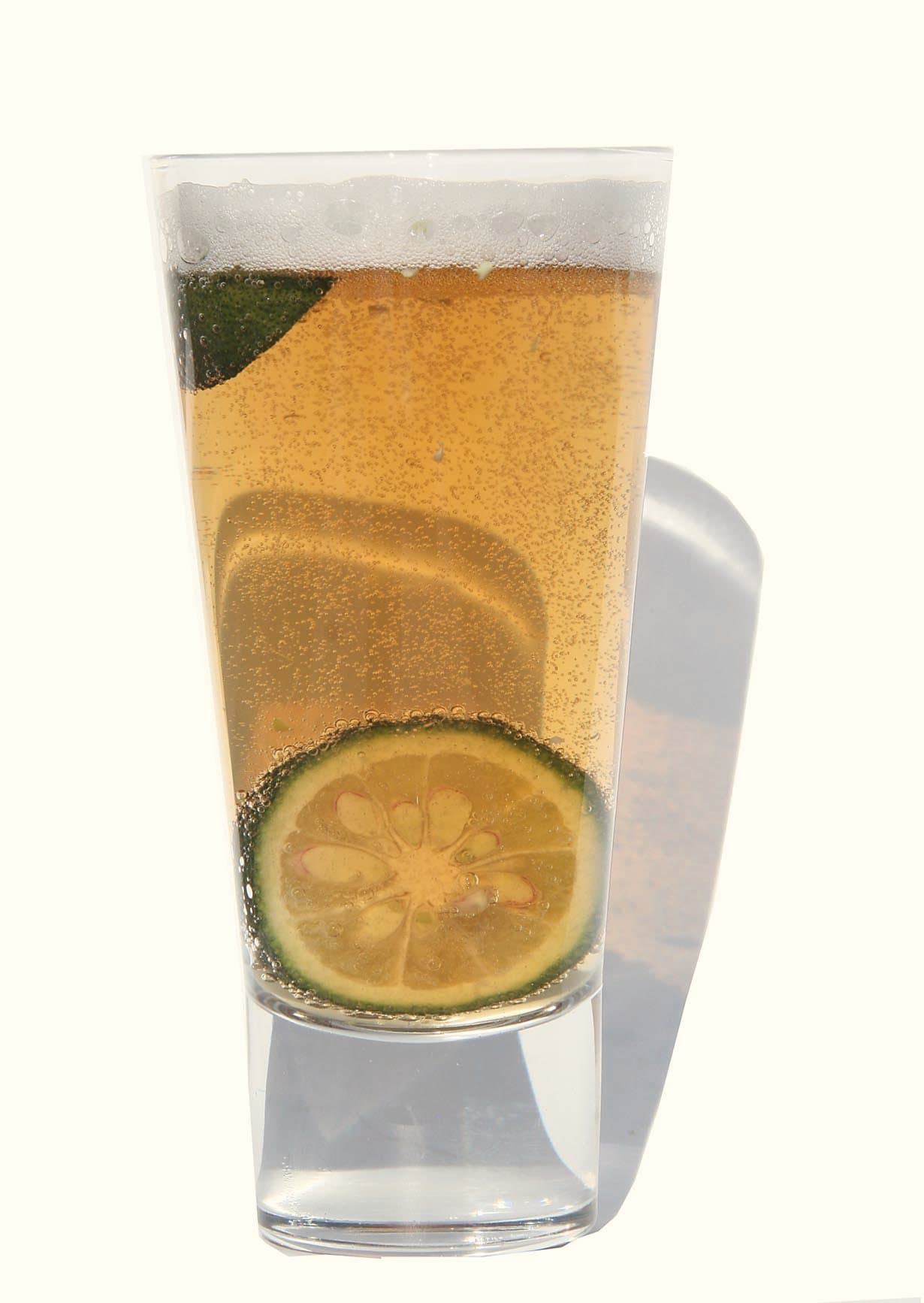
- Drinks. Bartenders use the juice and peel in sours, highballs and alcohol-free drinks, where its aroma carries through sparkling water or tonic.
Fresh fruit is still rare
Outside Japan and a handful of other growing regions, fresh yuzu can be hard to find, and import rules for fresh citrus vary by country. Much of what reaches international kitchens arrives as bottled juice, frozen zest, dried peel or prepared products such as yuzu kosho and marmalade.
That scarcity is part of the allure. For many cooks, a box of fresh, fragrant yuzu in season is still something of an event.
Using yuzu at home
If you find fresh yuzu, start with the peel. Wash the fruit, zest only the colored outer layer, and add it at the end of cooking so the aroma stays bright. Squeeze the juice through a sieve to catch the seeds, and use it in small amounts — a teaspoon or two can lift a dressing or a glass of sparkling water.
If you are working with bottled juice, check the label: some products are pure juice, while others are blended or seasoned with salt. Taste before you add more.
Yuzu rewards a light hand. Its magic lies not in how much you use, but in the moment the aroma hits — bright, unexpected and unmistakably its own.
Written by the JAPAN CITRUS editorial team as general background. Seasonal timings and regional details are approximate and can vary by year and grower.