From Kochi to the World: The Story of Japanese Citrus
On Shikoku's steep southern slopes, yuzu has shaped the life of mountain communities for generations. A look at the landscape behind Japan's most aromatic fruit.
By JAPAN CITRUS Editorial ·
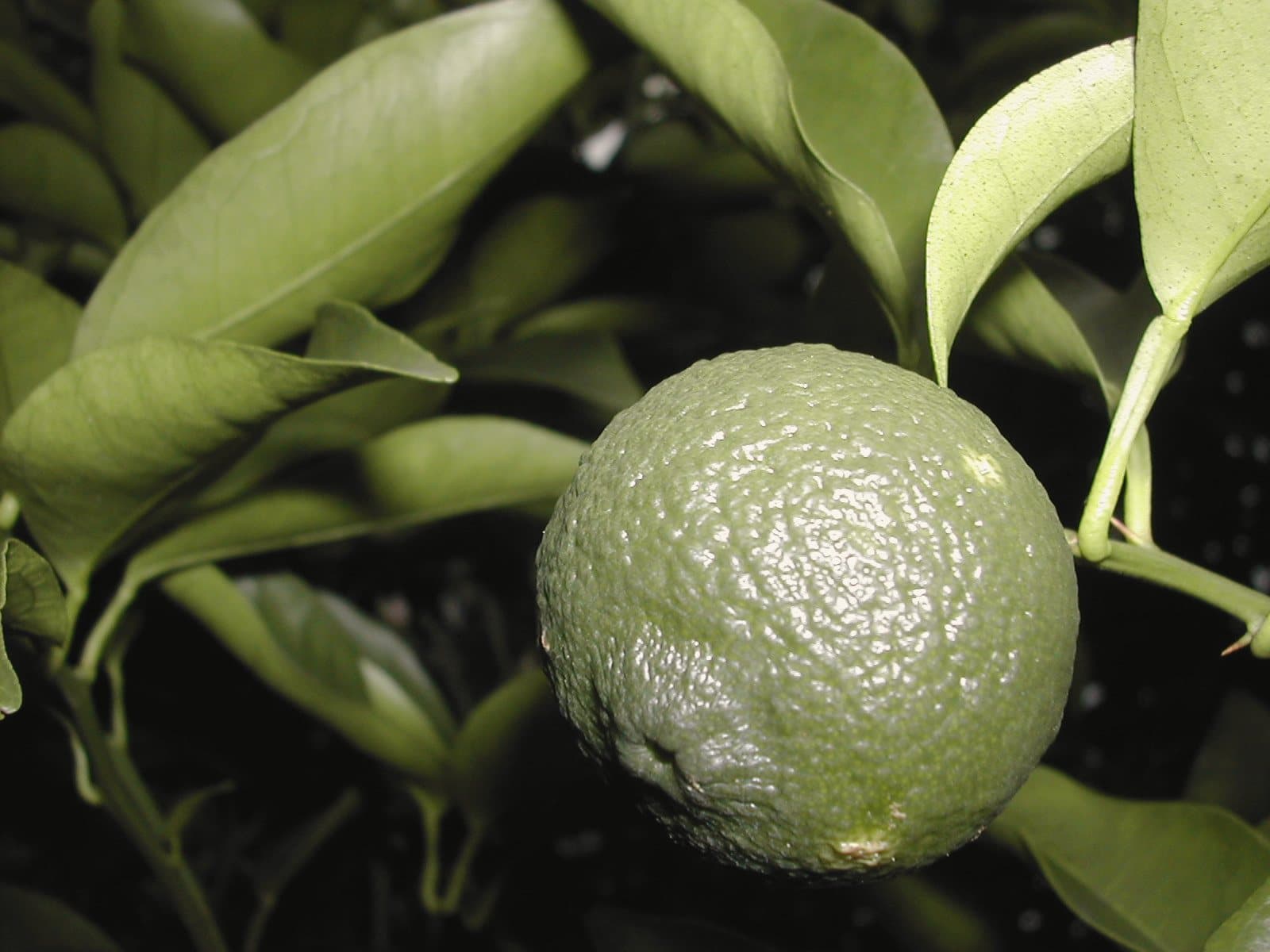
An unripe green yuzu growing among glossy leaves. Photo: Imuzak · Public domain
Kochi Prefecture occupies the Pacific-facing side of Shikoku, the smallest of Japan's four main islands. It is a place of steep, forested mountains, clear rivers and a long, curving coastline. It is also Japan's leading yuzu-growing region.
To understand why, it helps to look at the land.
A citrus for the mountains
Most citrus prefer warmth. Yuzu is unusual: it tolerates cold better than many of its relatives, which means it can be planted on high, sloping ground where winters are cool and mornings are often misty. In Kochi's river valleys, orchards climb hillsides that would be difficult to farm in other ways.
Yuzu trees also demand patience. A Japanese saying about fruit trees — with several regional versions — notes that peaches and chestnuts bear fruit in three years and persimmons in eight, while yuzu takes far longer. Grafting has shortened the wait considerably, but the saying survives as a reminder of the fruit's slow, stubborn nature.
Harvest by hand
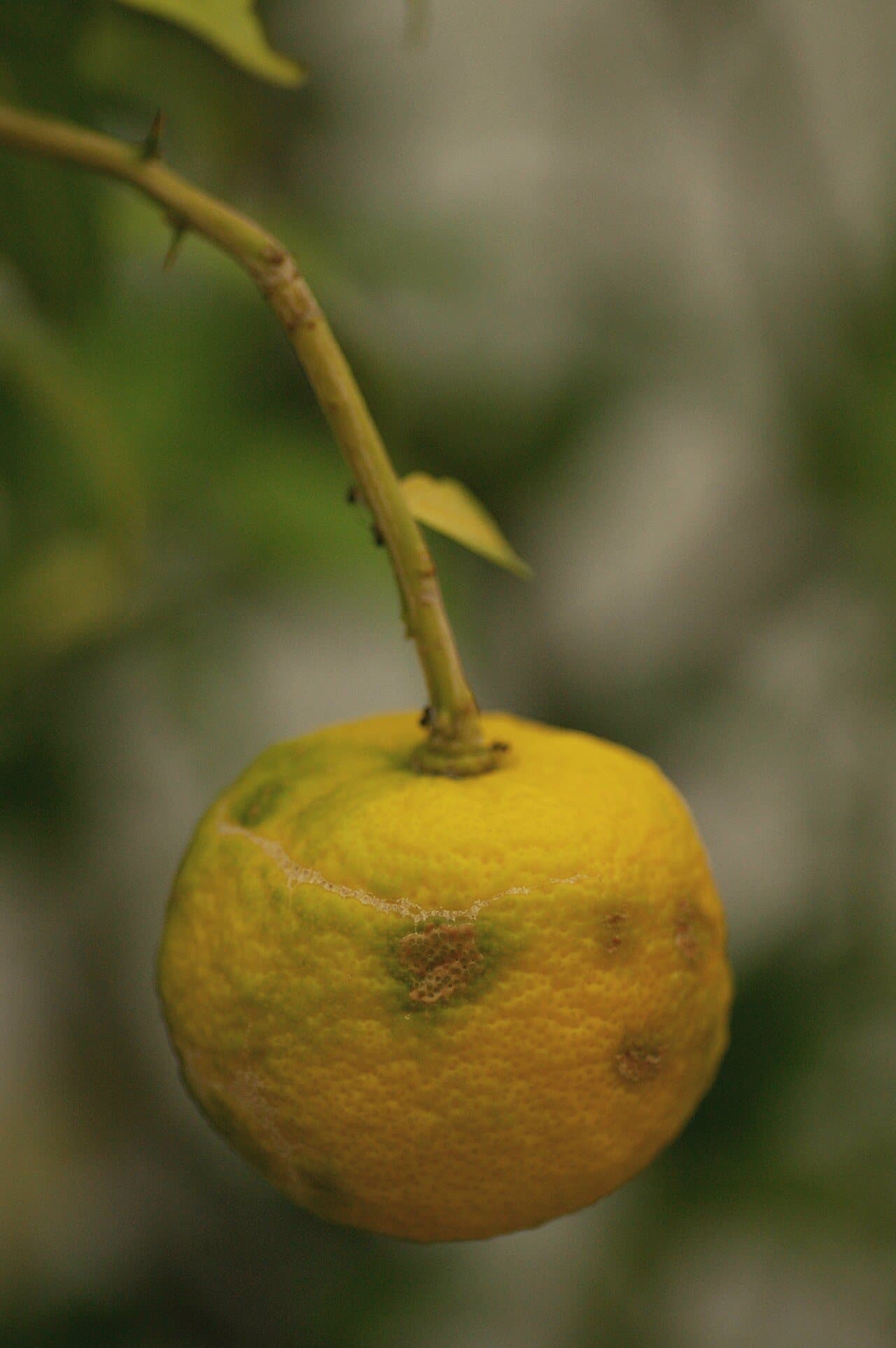
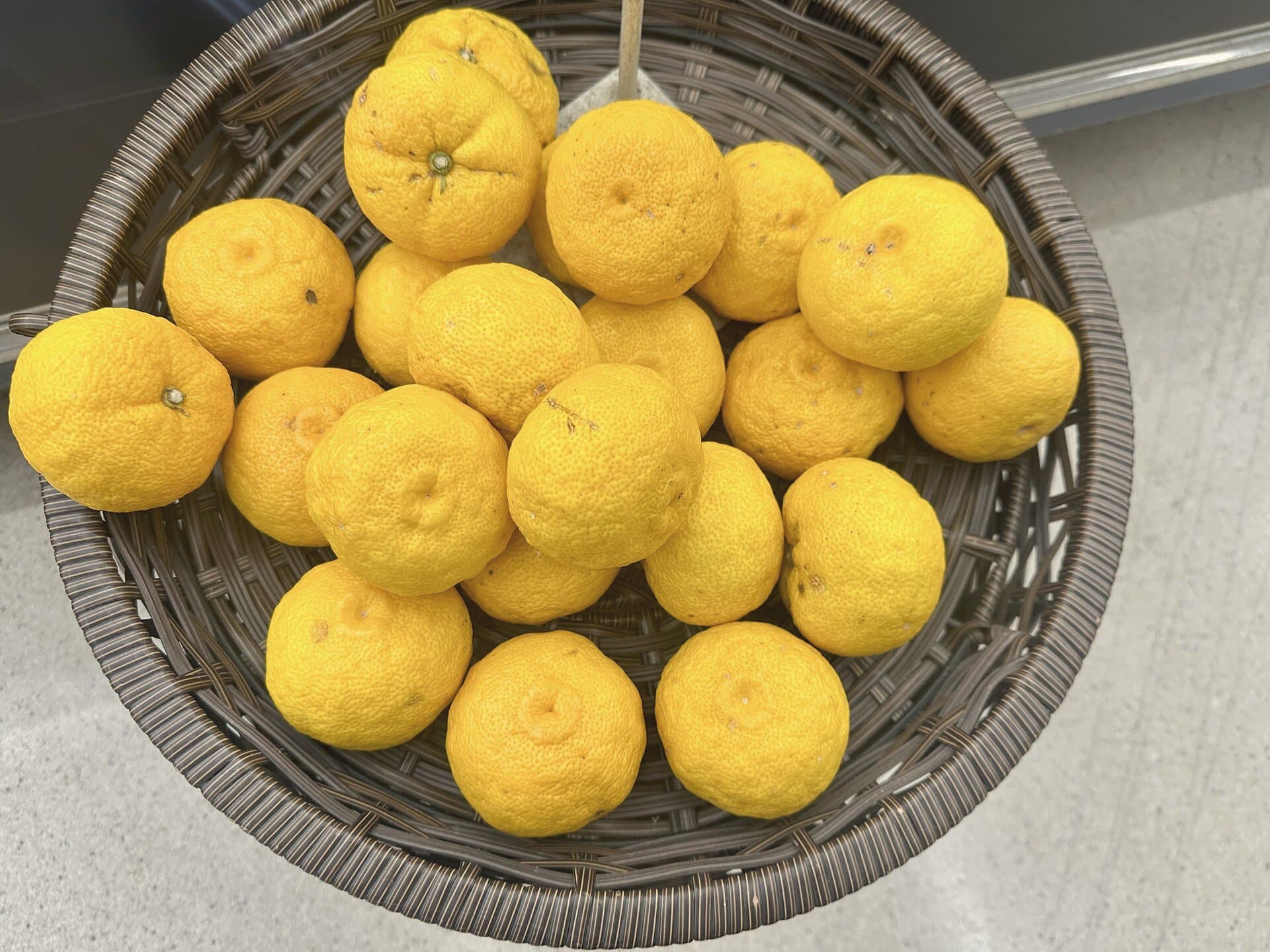
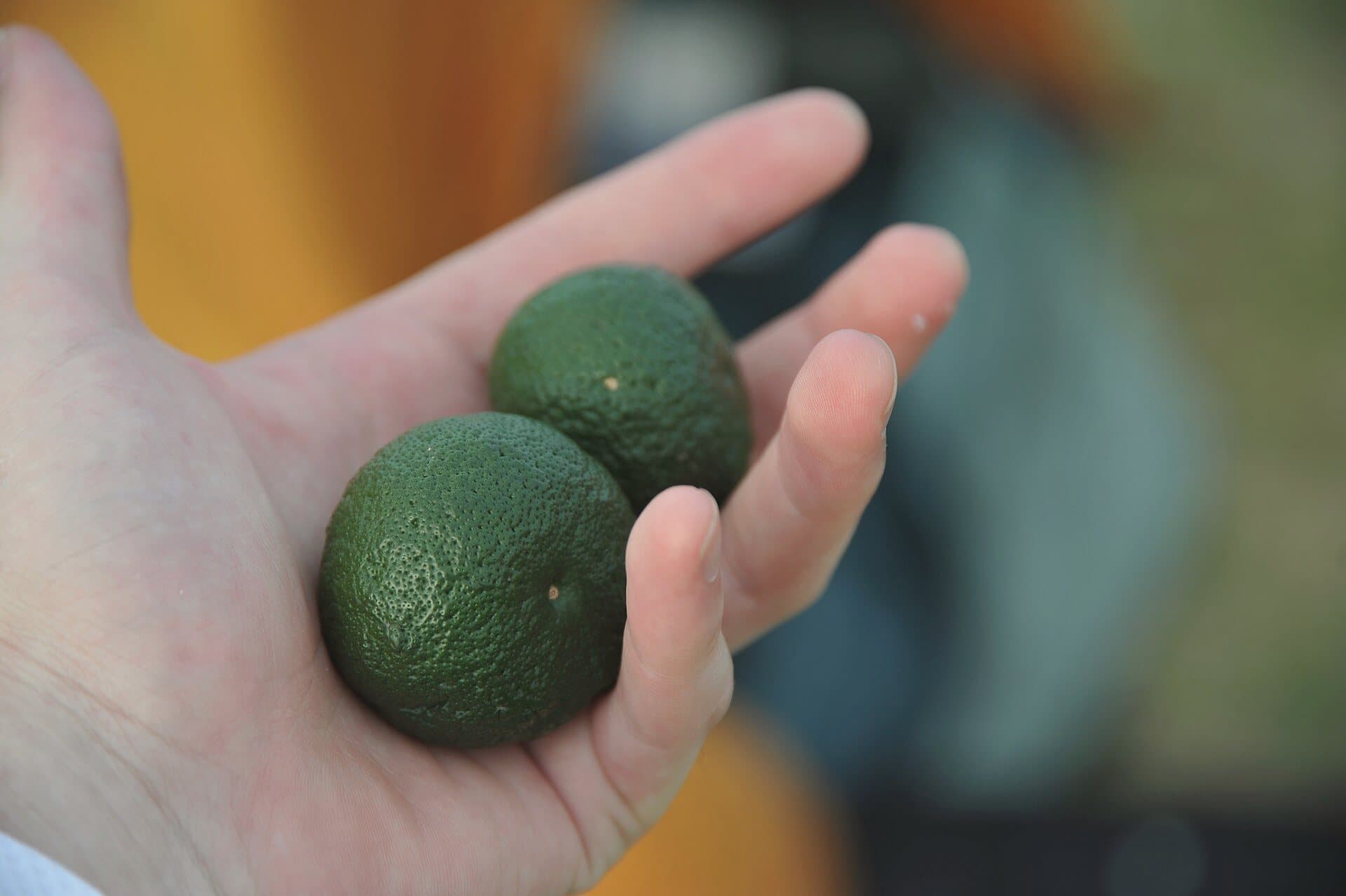
Yuzu trees are thorny, and the fruit bruises easily. Harvest is careful, physical work, often carried out on steep ground. Fruit picked green in late summer is valued for its sharp juice and fresh aroma; yellow fruit harvested from late autumn is the classic yuzu of Japanese winter.
Much of the crop is pressed for juice, and the peel is used for everything from condiments to sweets. Many inland communities have built local food businesses around yuzu, turning a single fruit into drinks, sauces and preserves.
From the valley to the table
Over recent decades, yuzu has traveled far beyond Shikoku. Japanese restaurants abroad introduced it to chefs; chefs introduced it to diners; and today the word "yuzu" appears on menus and product labels around the world.
What often gets lost in that journey is the place itself — the mountain villages, the hillside orchards and the generations of growers who have kept them going. Every bottle of yuzu juice begins somewhere very specific.
Why origin matters
As interest in Japanese citrus grows, so does the importance of knowing where it comes from. Yuzu grown in different regions, harvested at different times and processed in different ways can taste noticeably different. Origin is not only a story; it is part of the flavor.
At JAPAN CITRUS, that is the thread we want to follow: from specific valleys and islands to the kitchens, bars and tables where these fruits are discovered for the first time.
Written by the JAPAN CITRUS editorial team as general background. Seasonal timings and regional details are approximate and can vary by year and grower.