Yuzu-yu: Japan's Winter Solstice Citrus Bath
On the longest night of the year, many Japanese households float whole yuzu in the bath. A short guide to one of the country's most fragrant seasonal customs.
By JAPAN CITRUS Editorial ·
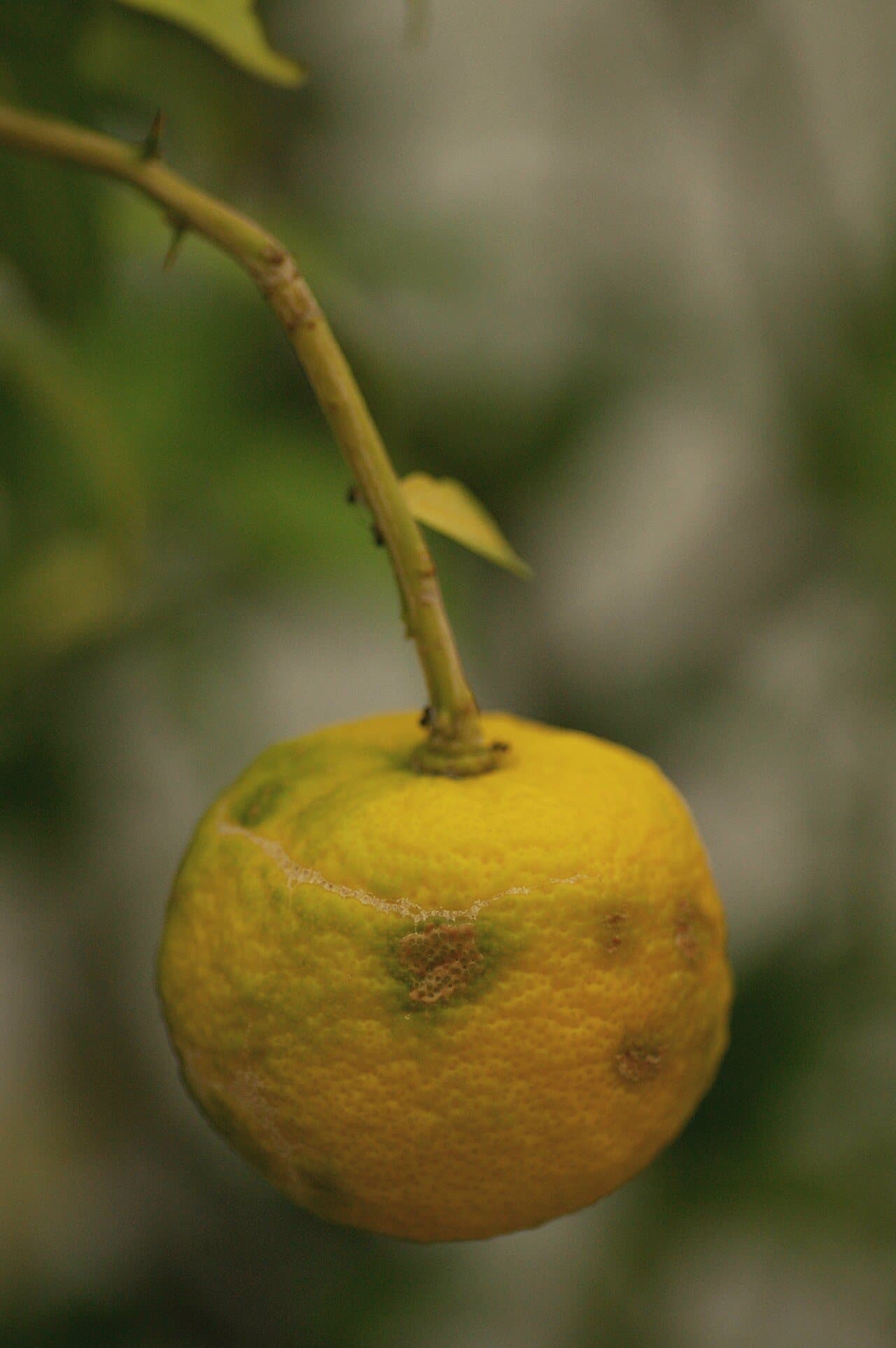
A single ripe yuzu hanging from a thin branch against a dark green background. Photo: Nagarazoku from TOKYO, Japan · CC BY-SA 2.0
In Japan, the winter solstice — tōji — arrives with a scent. On December 21 or 22, many homes and public bathhouses drop whole yuzu into steaming water, filling the room with citrus.
The custom is called yuzu-yu, or yuzu bath, and it is one of the gentlest ways the Japanese calendar marks the turning of the year.
A seasonal ritual
Japanese culture pays close attention to the seasons, and food and bathing customs often follow them. The winter solstice is associated with warming foods such as kabocha squash, and with the yuzu bath.
There are many explanations for the tradition, and some are playful. Tōji can also be read as a pun on words meaning "hot-spring cure," and yuzu as a pun on "flexibility" or being accommodating. Whatever its origins, the practice has endured because it is simple and pleasurable: a hot bath on a cold night, scented with fruit.
How it is done
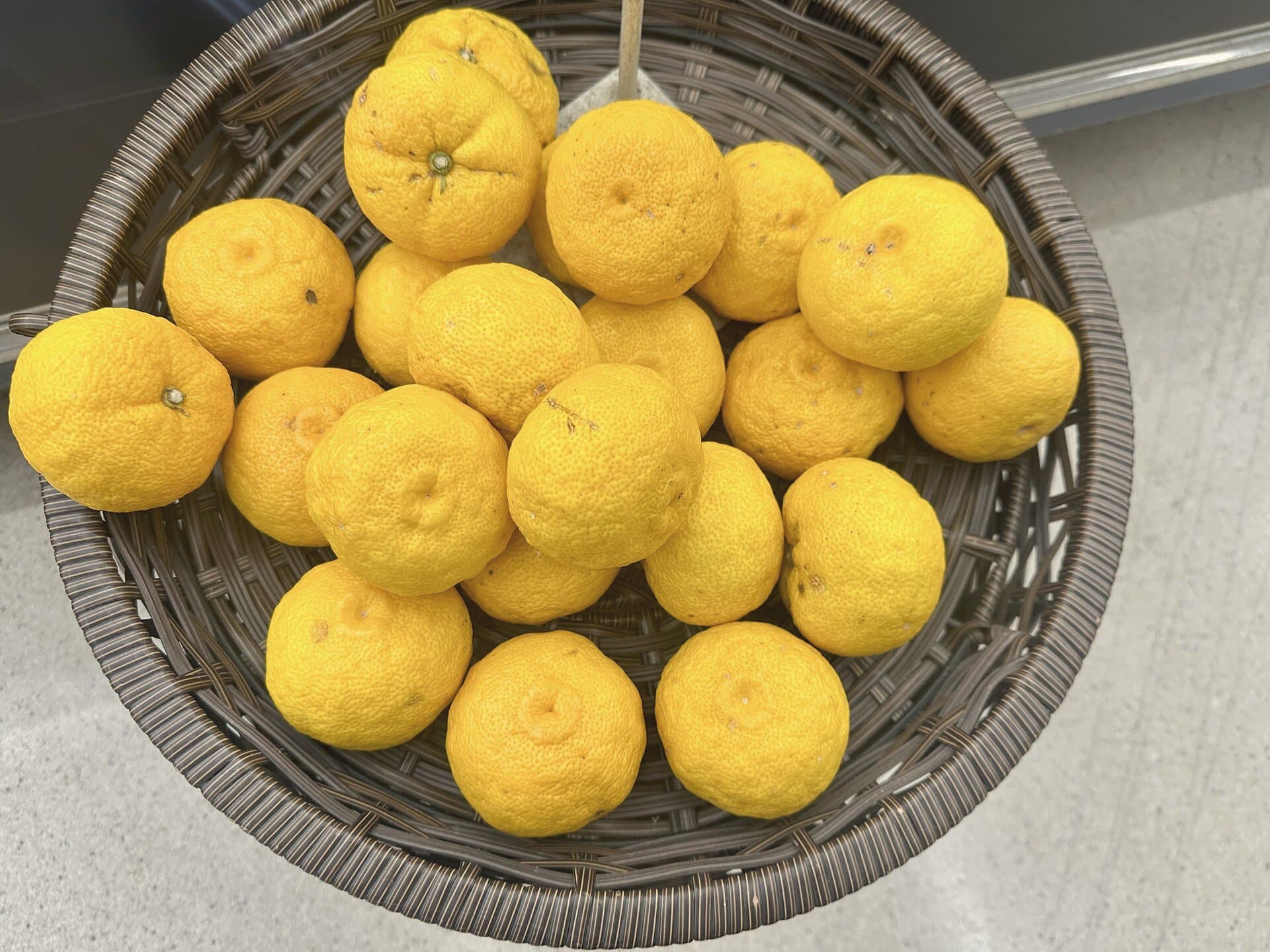
There is no single method. Some people float whole fruit; others halve them or tie them in a cloth bag. Public bathhouses sometimes fill an entire bath with yuzu for the day.
If you would like to try it at home, a few practical notes:
- Wash the fruit first, and use whole fruit if you have sensitive skin — cut citrus can irritate.
- A cloth or mesh bag keeps seeds and pulp out of the water.
- Remove the fruit after bathing; it is not meant to be eaten afterwards.
The fragrance of winter
For many people in Japan, the smell of yuzu is inseparable from this time of year. It turns up in winter soups, in hot pot dipping sauces and in sweet yuzu-cha stirred into hot water.
The bath is perhaps the most generous expression of that feeling — a reminder that citrus in Japan is not only an ingredient, but part of how the seasons are lived.
Written by the JAPAN CITRUS editorial team as general background. Seasonal timings and regional details are approximate and can vary by year and grower.