Shikuwasa: Okinawa's Island Citrus
Small, flat and intensely tangy, shikuwasa is a fruit of the subtropical Ryukyu Islands. Meet the citrus that Okinawa uses green, ripe and everywhere in between.
By JAPAN CITRUS Editorial ·
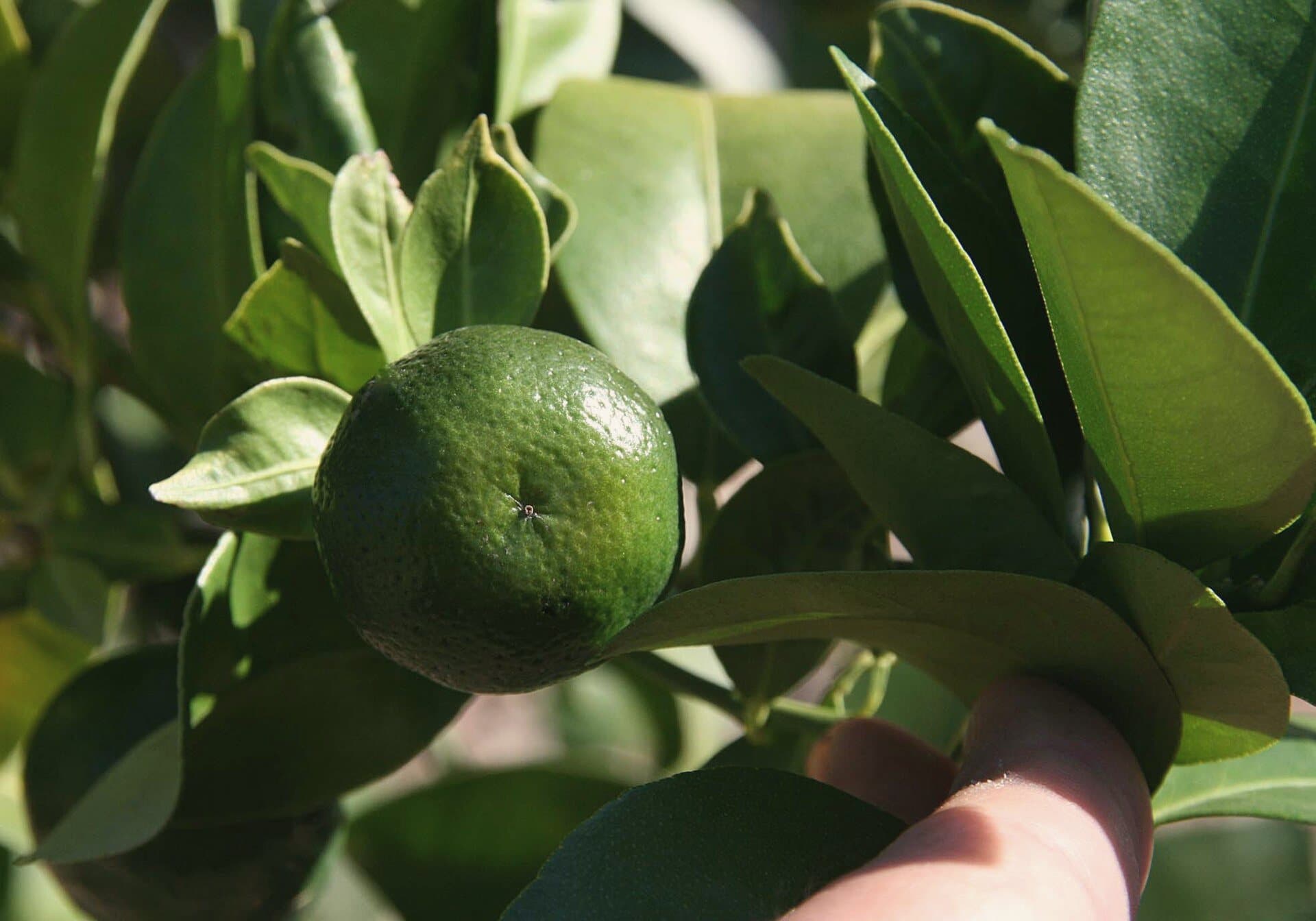
A green shikuwasa held on the branch among leaves. Photo: Jpbrigand2 · CC BY-SA 4.0
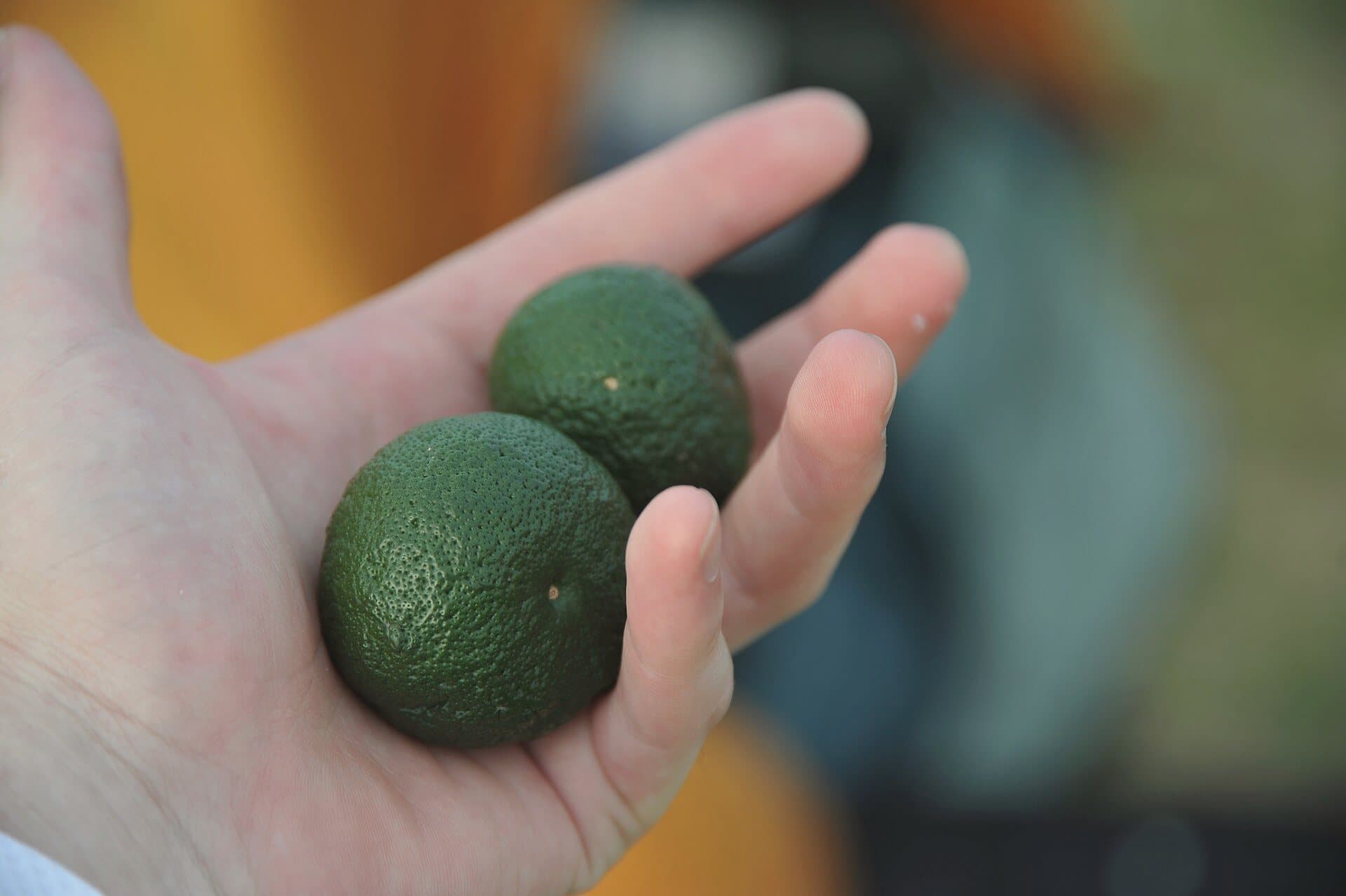
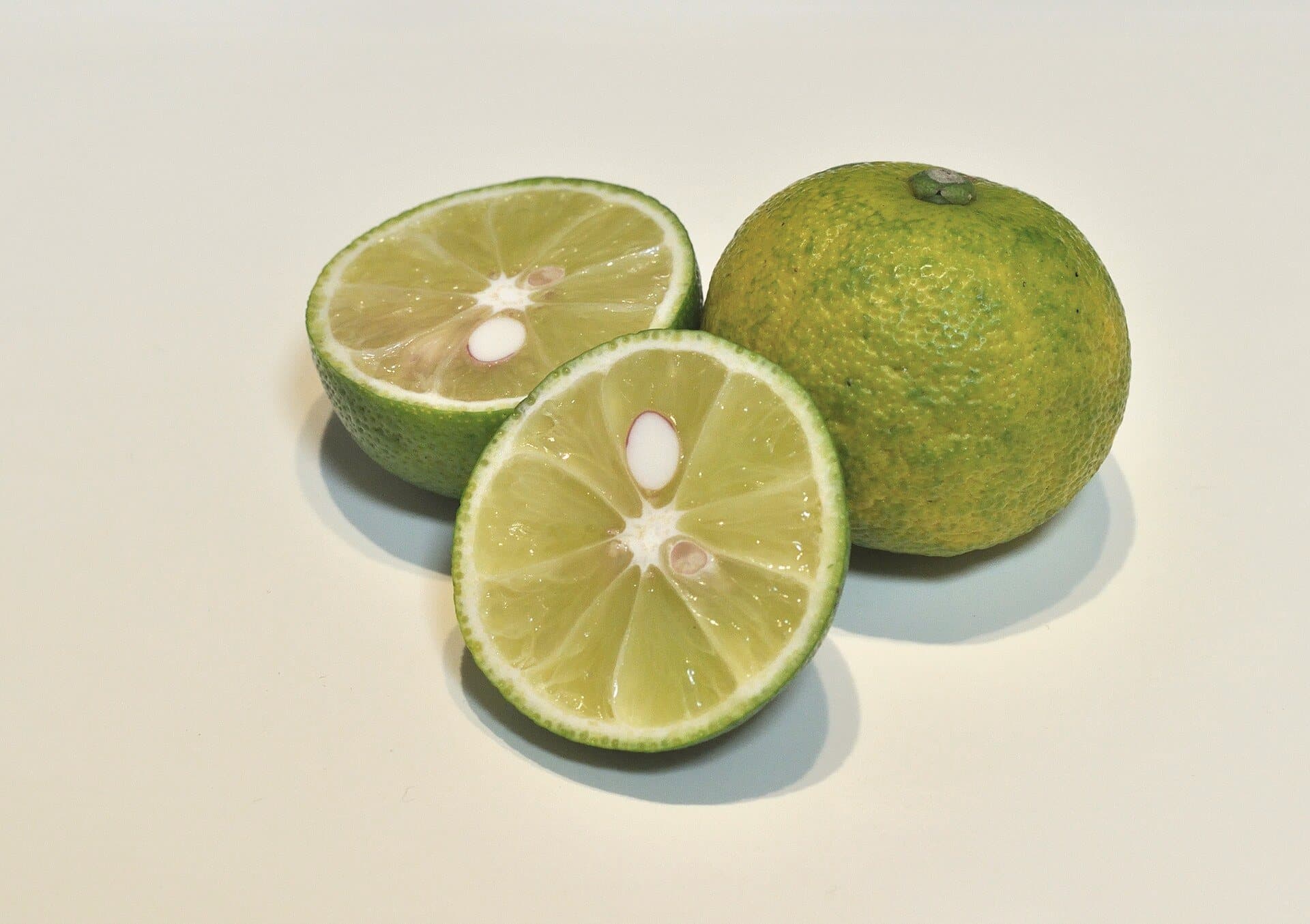
Far to the south of Japan's main islands, in the subtropical Ryukyu archipelago, grows a citrus with a very different personality from its mainland cousins. Shikuwasa is small, slightly flattened and, when green, startlingly sour.
A native of the islands
Shikuwasa (Citrus depressa) grows in the Ryukyu Islands and in Taiwan. In Okinawa it is most closely associated with the northern part of the main island, an area of forested hills known as Yanbaru. Unlike many cultivated citrus, it has long grown wild here as well as in orchards and gardens.
Two fruits in one
What makes shikuwasa especially interesting is that it is used at two very different stages.
From late summer, the fruit is harvested green, when it is intensely tangy. This is the shikuwasa most people meet first — pressed for juice and used like a lime.
Left on the tree into winter, the fruit ripens to orange, its skin loosens and its flavor turns sweeter. Ripe shikuwasa is often peeled and eaten fresh, like a small mandarin.
How it is used
Shikuwasa juice is a familiar part of Okinawan everyday life:
- Squeezed over sashimi, grilled fish and salads.
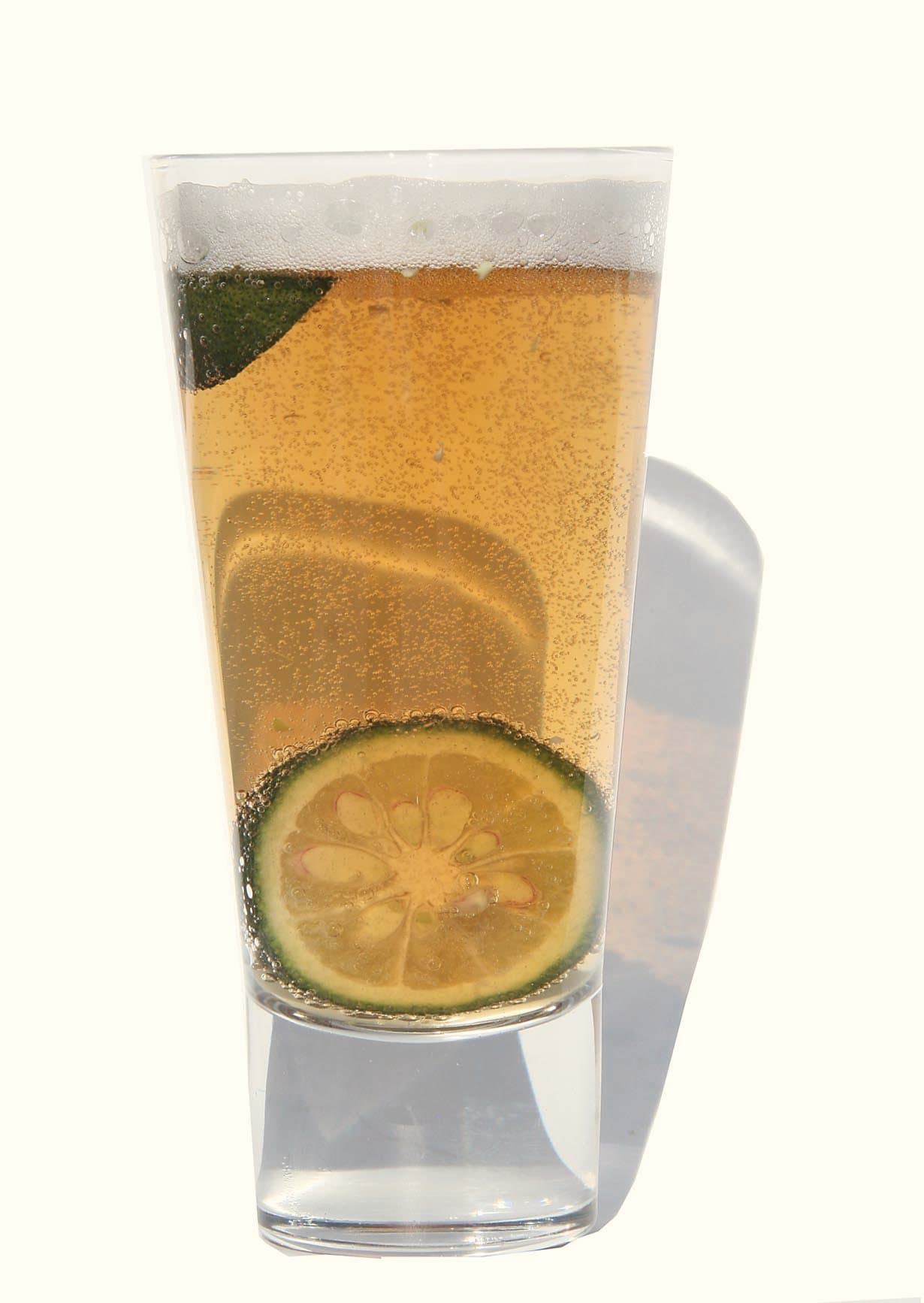
- Diluted with water and sweetened as a refreshing drink.
- Mixed with awamori, the islands' traditional distilled spirit.
- Used in sweets, dressings and sauces.
Tasting notes
Green shikuwasa combines sharp acidity with a fragrant, slightly tropical aroma and a noticeable bitter edge from the peel. It is less floral than yuzu and more pungent than sudachi — a flavor that feels bright, bold and distinctly southern.
If you find bottled shikuwasa juice abroad, start by mixing a small splash into sparkling water. It is one of the easiest ways to understand why the islands love it.
Written by the JAPAN CITRUS editorial team as general background. Seasonal timings and regional details are approximate and can vary by year and grower.